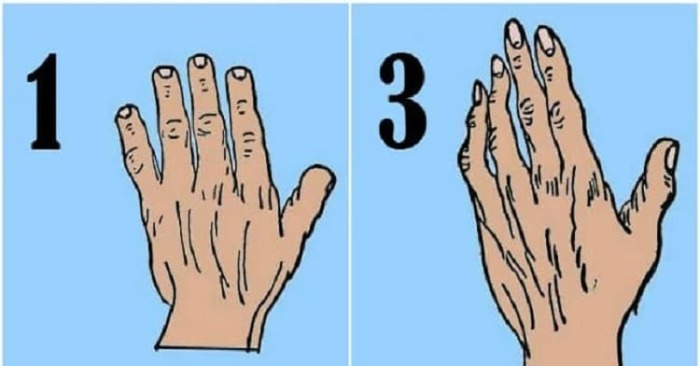
People often say hands reveal a person’s age, but according to old palm-reading traditions, they may reveal much more than that. For centuries, supporters of palmistry believed the shape of someone’s hands could expose personality traits, emotional tendencies and even hints about how they approach life. While palmistry has never been fully accepted as an official science, it has survived for generations and was even taught at universities in parts of Germany during the 17th century before later being condemned elsewhere as a form of mysticism.
The easiest way to understand palmistry is through hand types. Followers of the practice believe certain palm shapes repeatedly appear among people with similar personalities and behavior patterns. Some are supposedly linked to creativity, others to leadership, emotional sensitivity or even aggression.
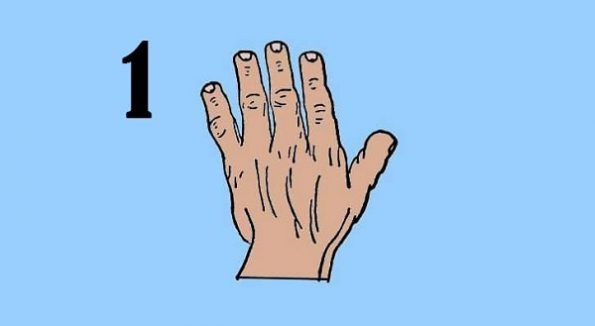
The first type is known as the “Elementary Hand.” This hand is usually broad, rough and heavy, with thick short fingers and short nails. The thumb tends to sit low and close to the palm. According to palmistry traditions, people with this hand type are highly instinct-driven, quick-tempered and strongly focused on basic needs and survival. Some controversial studies have even attempted to connect this hand shape to aggressive personalities, though experts strongly warn against taking such theories literally.
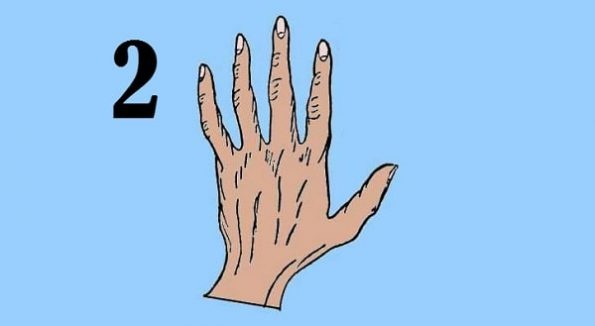
The second type is often called the “Dreamer” or “Romantic Hand.” These hands appear elegant and delicate, with long thin fingers, soft skin and almond-shaped nails. Palm readers traditionally associate this hand type with emotional sensitivity, creativity and vivid imagination. People with these hands are often described as artistic souls who live more in feelings and fantasies than in practical reality. However, they are also considered especially vulnerable to outside influence and emotional disappointment.
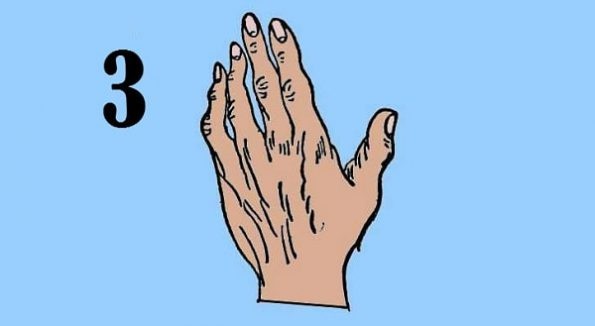
The third category is known as the “Philosopher Hand.” This type usually has an angular appearance with visible joints, a narrow palm and long fingers. Ancient Greek thinkers reportedly associated this hand shape with intelligence and deep reflection. People with philosopher hands are often described as analytical, independent and highly thoughtful. They may appear emotionally distant at first, but supporters of palmistry claim these individuals usually become fascinating conversationalists once someone earns their trust.
Even today, many people continue comparing hand shapes out of curiosity, despite the lack of scientific proof behind palmistry itself. What keeps the fascination alive is the strange feeling that certain personality descriptions sometimes seem surprisingly accurate. Whether someone believes in palm reading completely or simply treats it as entertainment, the practice still manages to spark endless discussions about human nature and identity.
And perhaps that is exactly why these old personality systems continue surviving generation after generation. People have always searched for hidden meanings in ordinary things — and according to palmistry enthusiasts, the answers may have been sitting in plain sight on our own hands all along.