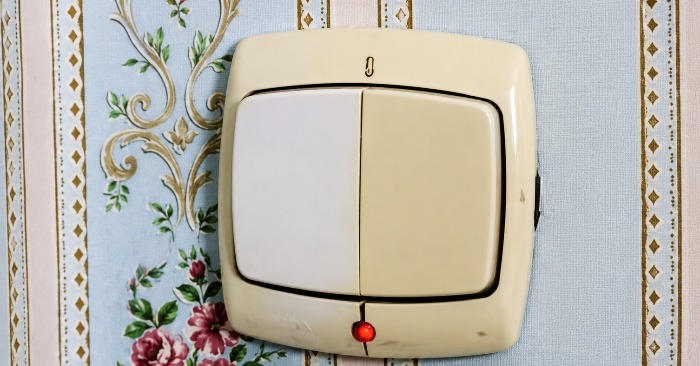
For the longest time, she believed yellowed plastic was impossible to restore. Once white household items started turning dull and stained with age, she assumed the damage was permanent. The problem became especially noticeable on light switches, outlets, window sills and appliance handles, where yellow discoloration instantly made even a clean home look older and neglected.
But after experimenting with different cleaning methods, she discovered one surprisingly cheap product that completely changed the appearance of old plastic in just minutes — Dimexide.
The inexpensive solution, which costs only a few dollars in many pharmacies, turned out to be shockingly effective at removing yellow discoloration from plastic surfaces. According to her, the effect became visible almost immediately after application, especially on glossy white surfaces that had faded over time.
Her method is simple but requires caution.
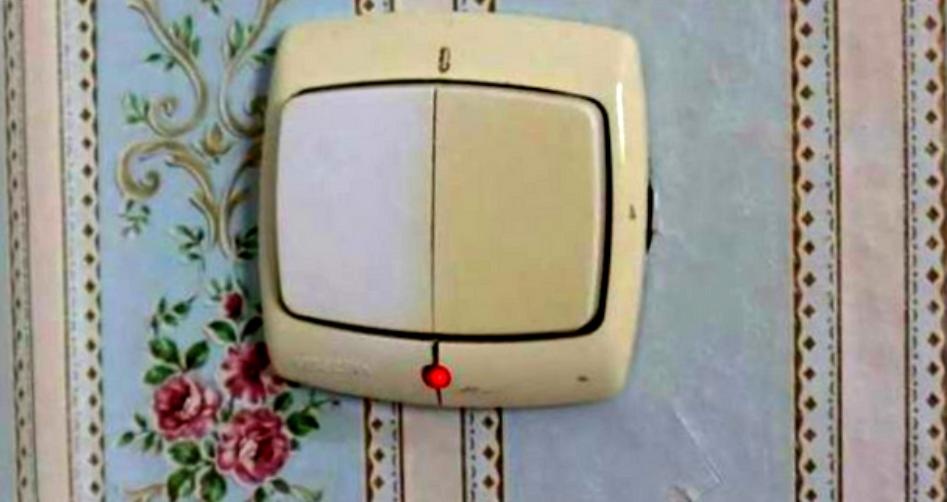
First, she always puts on disposable gloves because the product is considered quite active and should not come into direct contact with skin. Then she applies a small amount of Dimexide onto a cotton pad and carefully wipes the yellowed surface. In many cases, the plastic reportedly begins lightening almost instantly. After leaving it on for a few minutes, she wipes the area first with a damp cloth and then dries it completely.
Still, she strongly warns against rushing into it without testing first. Older or fragile plastic can react unpredictably, and leaving the product on too long may damage the surface instead of restoring it. She also recommends working only in well-ventilated spaces and trying the solution on a tiny hidden section before treating larger areas.
After researching the topic further, she also discovered several alternative methods people use to restore white plastic. One of the most popular is the so-called “retrobright” method, where hydrogen peroxide and UV light are combined to gradually remove yellowing over several hours. Others prefer gentler approaches like baking soda paste, vinegar, lemon acid or even non-abrasive toothpaste for lighter discoloration.
According to her experience, however, the most important thing is patience rather than aggressive scrubbing. Not all plastic reacts the same way, and sometimes a careful test is what saves an old household item from permanent damage. But when it works, the difference can be dramatic enough to make decades-old plastic look surprisingly fresh again without replacing anything at all.