Most people automatically wash almost everything before cooking because it feels cleaner and safer. But according to food experts, some products should never be rinsed before they go into the pan or oven. In certain cases, washing them can actually spread bacteria around your kitchen instead of removing it.
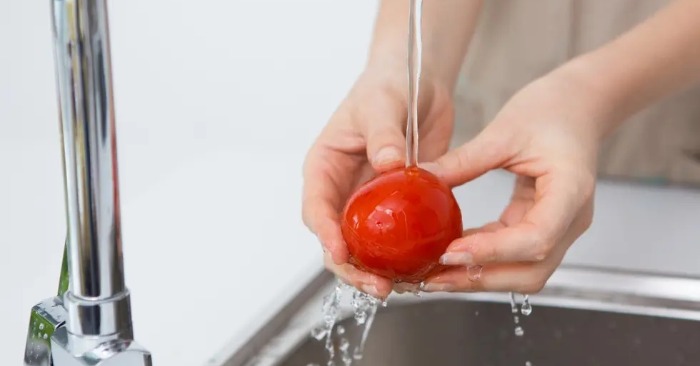
Fruit and vegetables are still among the foods that absolutely should be washed carefully. Even produce with inedible peels, like bananas or mandarins, can carry bacteria on the surface. Once you start peeling or cutting them, germs can easily transfer onto the edible part through your hands or knife.
Grains are another story entirely.
Rice, for example, is usually rinsed not because of bacteria but to remove excess starch, dust and small particles. Many cooks recommend washing it in a bowl with water two or three times until the water becomes clearer. This helps improve texture and prevents the grains from becoming overly sticky during cooking.
But raw chicken is where many people make one of the biggest kitchen mistakes.
For years, people believed poultry had to be rinsed under running water before cooking. In reality, food safety specialists warn that washing raw chicken can spread dangerous bacteria across sinks, counters, dishes and nearby food through tiny water splashes. The safest solution is not washing it at all — proper heat during cooking destroys the bacteria much more effectively.
The same rule applies to red meat. Washing beef or pork does not eliminate microbes because bacteria can exist deep inside the meat fibers. Instead of cleaning the product, rinsing often only contaminates the surrounding kitchen area. Thorough cooking remains the safest and most effective method.
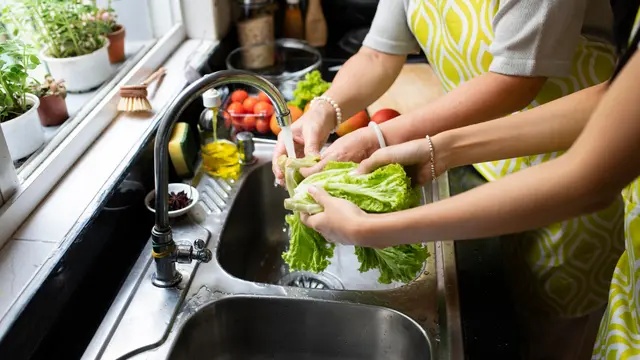
Seafood works slightly differently. Fish generally does not need washing, but shellfish like mussels and shrimp are often rinsed to remove sand or tiny shell fragments. Fresh herbs such as parsley, dill and green onions should always be washed carefully and even soaked briefly in cold water before use or refrigeration.
Eggs may surprise people most of all. Their shells naturally contain a thin protective coating that helps block bacteria from entering. Excessive washing at home can damage that barrier and actually increase contamination risks. Many experts recommend storing eggs separately in the refrigerator and only washing them right before cooking.