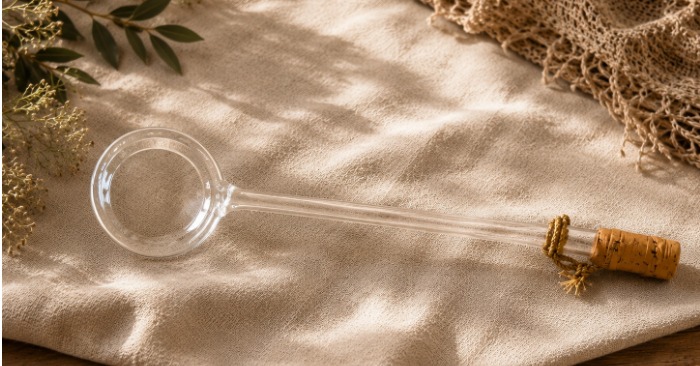
At first glance, the object looks confusing. It is not quite a frying pan, not exactly a fork and definitely nothing most modern kitchens would recognize immediately. Yet centuries ago, this unusual long-handled fireplace tool was once a completely normal part of everyday life inside countless homes. Known as a glassblower’s grill, it was used for cooking simple food directly over open flames beside the family hearth.
The design itself reveals exactly how people once lived. The long handle kept hands safely away from the heat, while the curved metal end allowed food to sit close enough to the fire for roasting and warming. Bread, chestnuts, sausages, melted cheese, small cuts of meat and even potatoes could all be prepared using nothing more than glowing embers, patience and careful attention.
Unlike modern cooking, there were no timers, temperature controls or digital settings involved. Cooking over an open fire demanded constant observation. People had to judge the strength of the flames by color, smoke, crackling sounds and shifting heat. One moment the fire would burn fiercely, the next it would settle into glowing coals. Every small change forced the cook to adjust position, timing and distance from the heat.
That rhythm became part of the experience itself.
Food prepared this way often came out unevenly toasted or slightly charred in places, but many people considered that imperfection part of the charm. Toast made over open flames carried a smoky flavor impossible to recreate with modern appliances. Meals felt slower, warmer and strangely more personal because someone had to stand nearby, watch carefully and stay involved throughout the process.
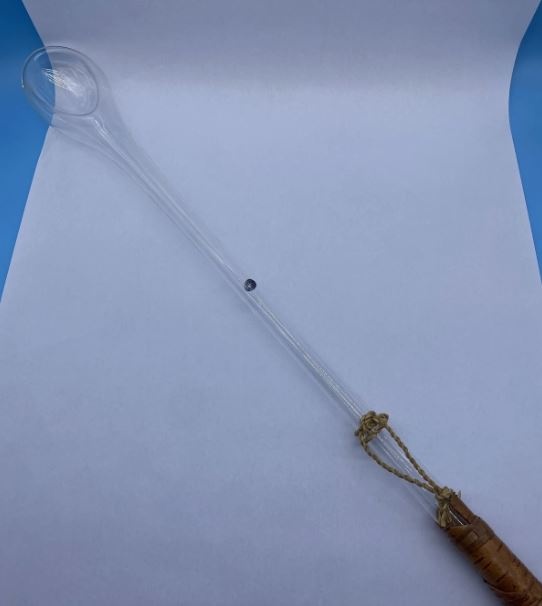
The tool also reflected remarkable craftsmanship. Creating a glassblower’s grill required real skill and understanding of balance, airflow and heat resistance. Many of these fireplace tools combined functionality with beauty, turning ordinary household objects into carefully handmade pieces that lasted for generations. Long before disposable kitchen gadgets existed, people repaired, reused and protected the things they owned.
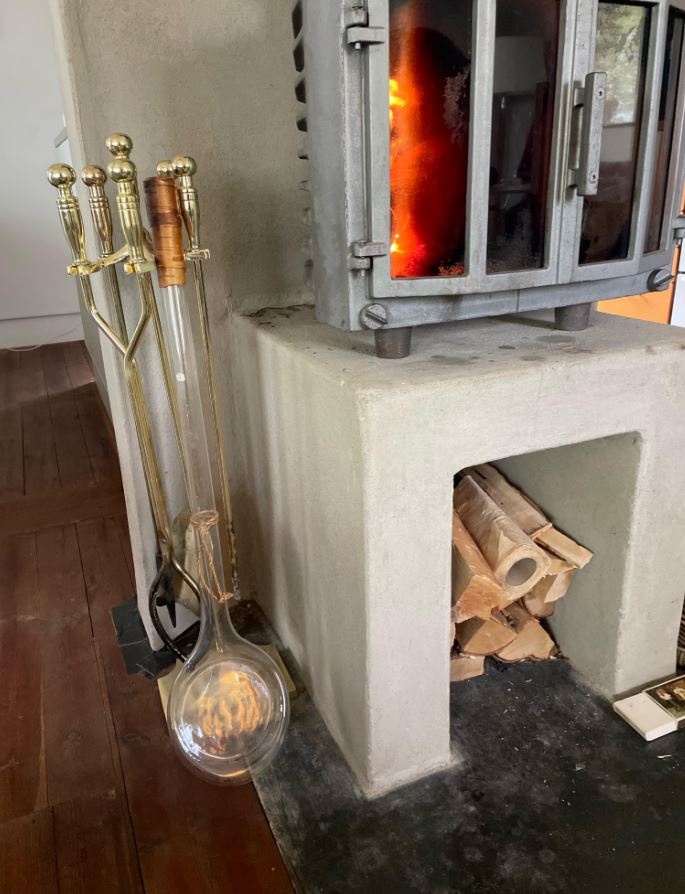
Today, most surviving examples are displayed as decorative antiques rather than actively used cooking tools. Yet people remain fascinated by them because they instantly evoke images of another era — heavy curtains blocking winter drafts, socks drying near the stove, crackling logs in the fireplace and entire families gathering together in the warmest room of the house. In those days, the fireplace was not just decoration. It was the center of daily life.
That is why this strange-looking object still captures attention now. It represents more than old-fashioned cooking. It symbolizes a slower world where preparing a simple piece of toast required time, patience and presence. And perhaps that is exactly why so many people today feel unexpectedly nostalgic when they discover one sitting quietly beside an old fireplace.