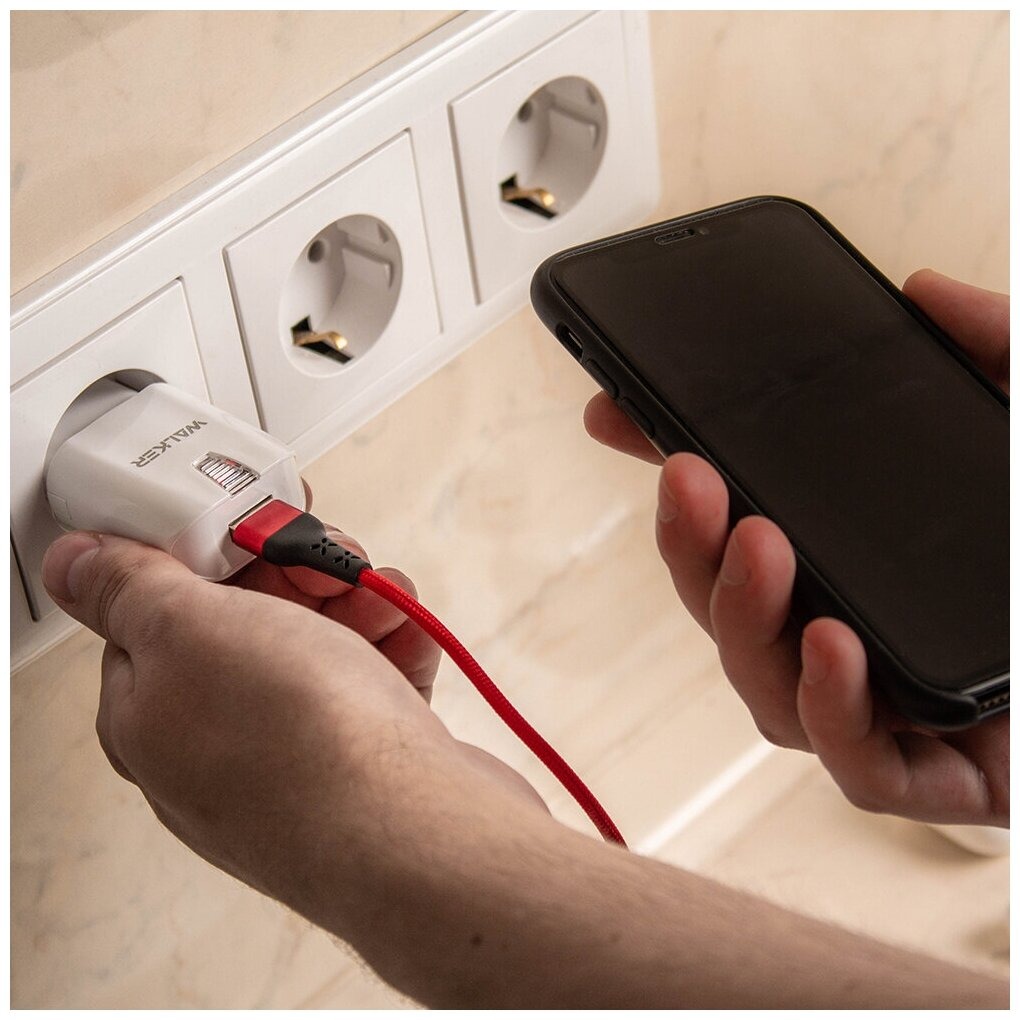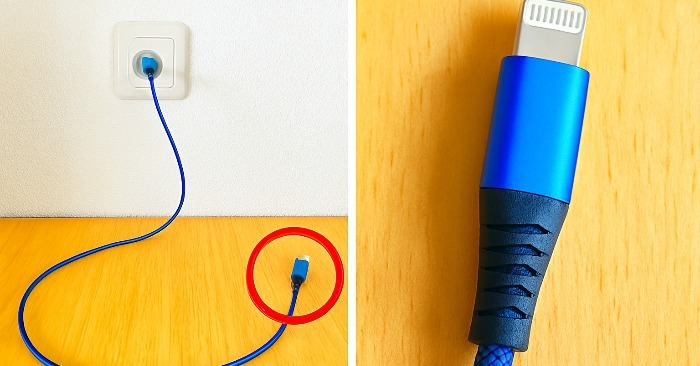
“Still leave your charger plugged in? Here’s what it’s really doing” 🔌📱 It may seem harmless, but that little habit could have bigger effects than you think. From safety risks to silent energy drain, here’s what you need to know about keeping your charger in the wall. Full breakdown in the article below 👇
Many of us do it without thinking — unplug the phone but leave the charger in the socket. It’s a small habit, but does it really matter? Let’s break it down.
Is It Safe to Keep the Charger Plugged In?
Smartphones need regular charging — that’s a fact. And whether it’s laziness, forgetfulness, or just convenience, many people leave their chargers plugged in all the time.
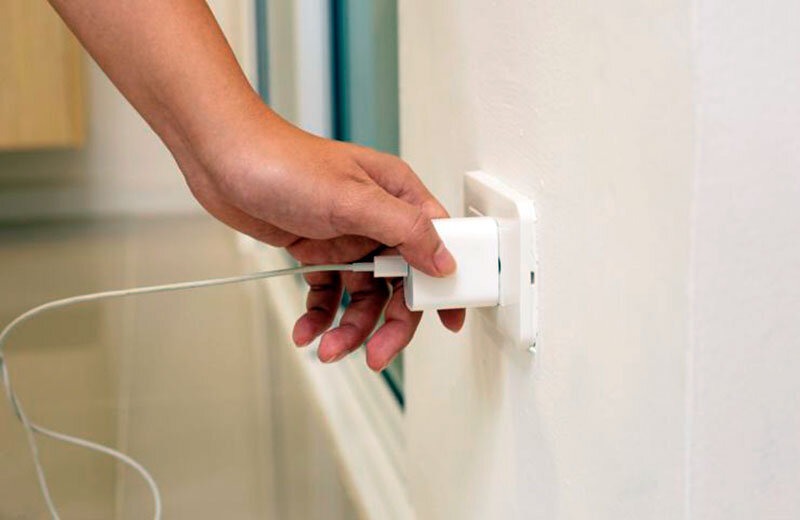
While most branded chargers are built with safety features like temperature control and overload protection, it’s still better to be cautious. Even with those systems, there’s always a small risk of electrical faults, especially if the charger is old or damaged. So, if you’re not charging your phone, unplugging the charger is the safer option.
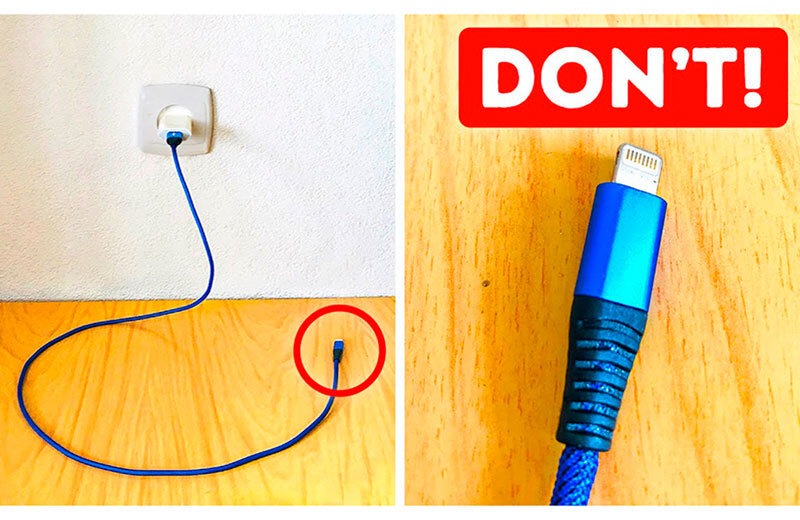
What About the Electricity It Uses?
There’s also the question of electricity usage. A charger that’s actively charging your phone can use a decent amount of power. But when it’s just sitting in the outlet, the energy it consumes is very low — typically no more than 0.5 watts in standby mode, thanks to modern regulations.
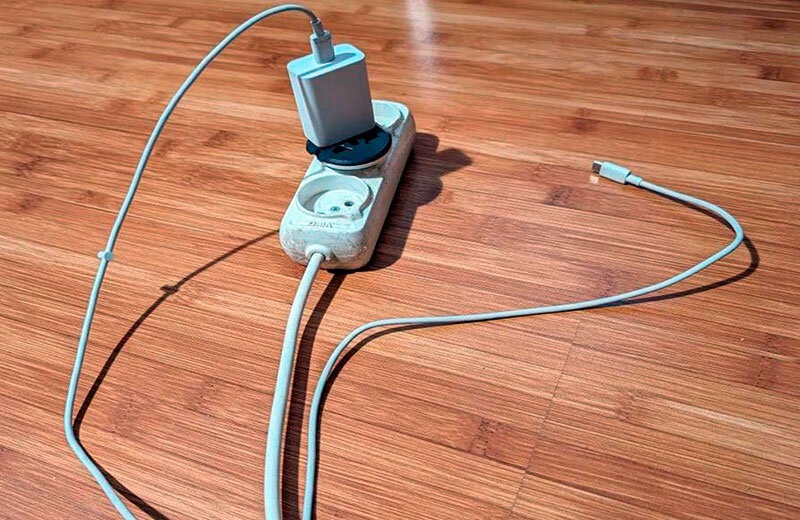
If we do the math, keeping a charger plugged in 24/7 adds up to around 0.37 kWh per month. That’s a tiny amount and probably won’t show up much on your electric bill, even with rising prices.
Still, small savings add up over time — and unplugging unused chargers is a simple way to reduce waste and stay safe.
Have you been leaving your charger in the wall? Share your thoughts or tips in the comments!