“She changed her breakfast — and her knees stopped hurting” 🦴✨ If you think joint pain is just part of aging, think again. These 7 overlooked foods can support your joints from the inside out — no pills, just real food. Curious what made the difference? Full list in the article below 👇🍲
If you’re reading this, chances are you’re dealing with joint discomfort—like stiffness, pain, or difficulty moving around. Many people chalk it up to aging and assume it’s just part of getting older. But the truth is, age isn’t always the root cause. While joints do go through wear and tear over the years, that doesn’t mean nothing can be done. In fact, what you eat can make a huge difference. The right foods can actually support and even restore your joints. Here are seven often-forgotten foods that can help improve how you feel in as little as a month.
What Changes in Your Joints After 60?
As we get older, our joints naturally change. Cartilage starts to wear down, there’s less cushioning fluid in the joints, and inflammation can become more common. But these changes aren’t a life sentence. Much depends on how we care for our bodies.
Here are three big reasons joint issues become more common with age:
Aging itself. This can’t be avoided, but its effects can be slowed.
Lack of movement. Being inactive can lead to more pain and stiffness.
Poor diet. Too much sugar, salt, and processed fat leads to inflammation.
Food Can Help Your Joints Heal
The right diet can act like natural medicine. It can lower inflammation, supply nutrients to your joints, and help rebuild cartilage. On the flip side, unhealthy food choices can make joint pain worse over time.
Your joints need:
Omega-3s – to reduce inflammation and keep tissues strong
Calcium + Vitamin D – to support bone health
Collagen – to keep cartilage flexible
Antioxidants – to protect cells from damage
7 Forgotten Foods That Can Boost Joint Health
#7: Herring – Packed With Omega-3s
Herring is loaded with healthy fats that help lower inflammation and improve flexibility. Try to eat it twice a week—baked or lightly salted are the best options.

#6: Fermented Dairy – For Calcium and Gut Health
Yogurt, kefir, and other fermented milk products support strong bones and help your body absorb nutrients. A daily glass of kefir can make a big difference over time.
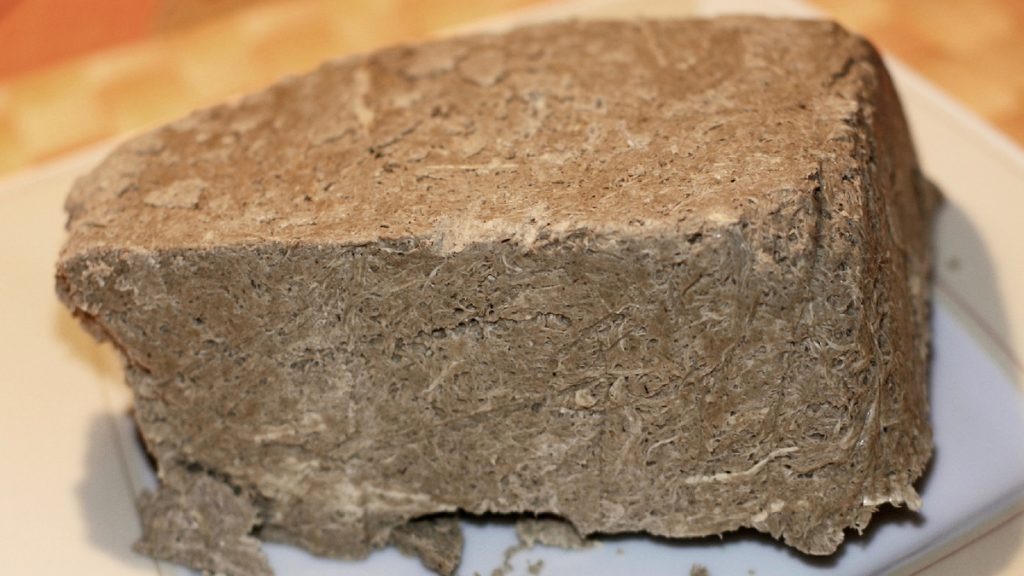
#5: Aspic or Meat Jelly – A Natural Source of Collagen
This old-school dish made from beef or pork bones is rich in collagen, which helps keep cartilage healthy. Make it with less salt and add some garlic for an extra boost.
#4: Garlic – Nature’s Inflammation Fighter
Garlic has powerful compounds that fight inflammation and support your immune system. Add it to your meals regularly or eat it raw if you can handle the heat.
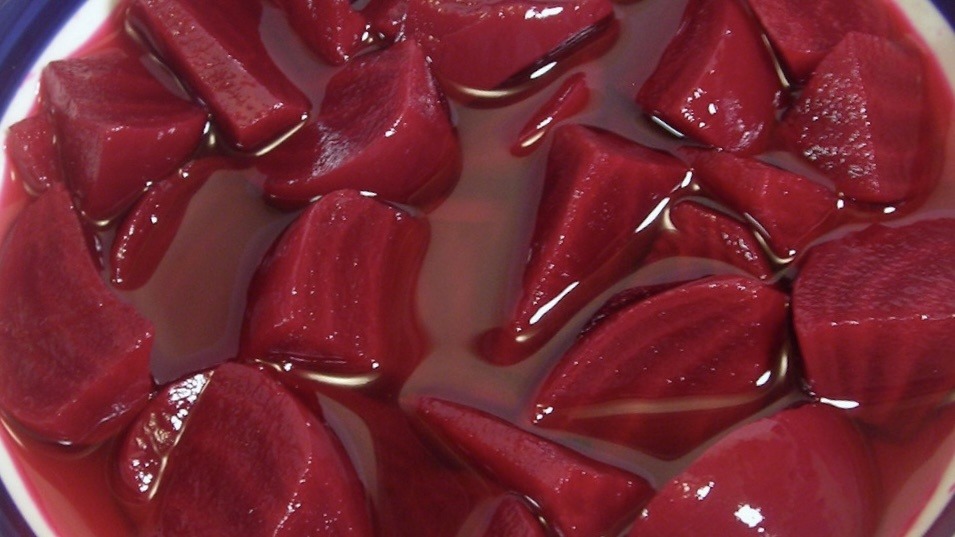
#3: Beets – For Better Blood Flow and Antioxidants
Beets are full of nutrients that increase circulation and bring more oxygen and nutrients to your joints. Bake them, add them to salads, or enjoy them in soup.
#2: Walnuts – Healthy Fats and Tissue Support
These nuts contain vitamin E and omega-3s, both great for reducing inflammation. Just a handful a day is enough—add them to breakfast or eat as a snack.
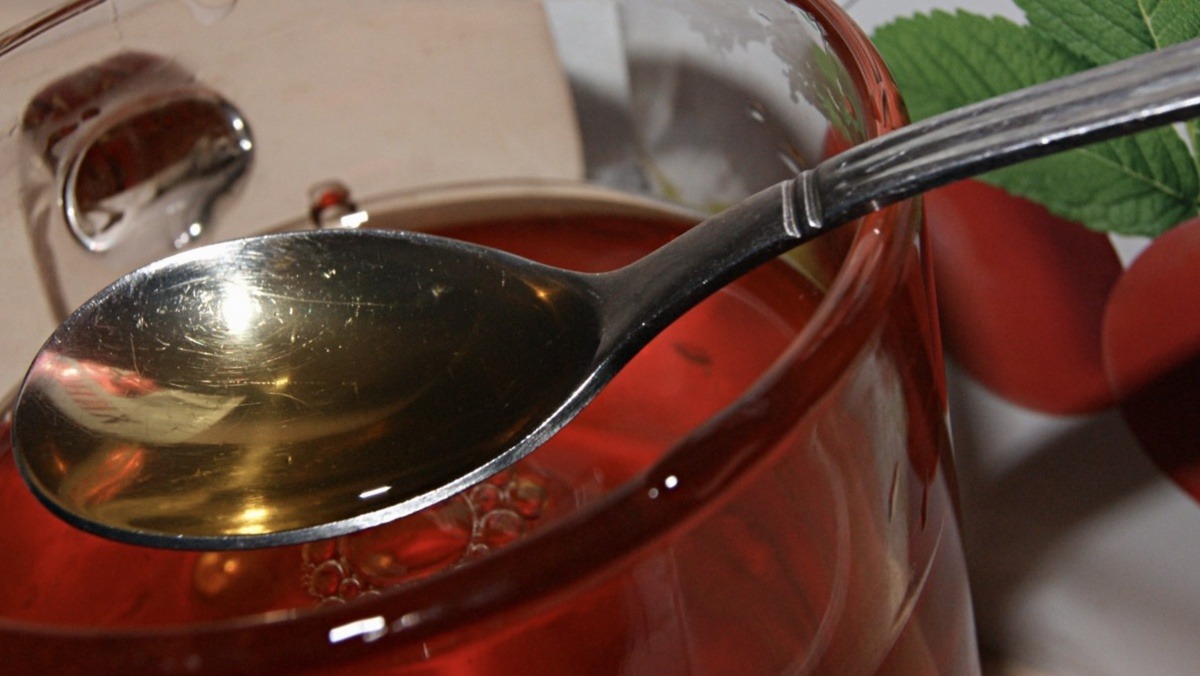
#1: Rosehip Tea – Rich in Vitamin C for Collagen
Rosehip tea is more than just a warm drink—it’s full of vitamin C, which your body uses to make collagen. Drink it regularly, especially in colder months.
Tips for Adding These Foods to Your Diet
Don’t rush—add one or two new foods at a time.
Try to stay active with gentle exercises like walking or stretching.
Plan your meals so you always have healthy options ready.
Keep portions reasonable—balance is key.
When Will You Notice a Difference?
Start eating better and moving more, and you might feel a difference in just 2–3 weeks. Less stiffness, less pain. After a month, you’ll likely feel more flexible, and your body will feel lighter and more mobile.
Joint issues aren’t something you have to just live with. Even after 60, it’s possible to feel better and move more freely—just by changing what you eat. Foods like herring, meat jelly, and rosehip tea might seem old-fashioned, but they can do wonders when added to your routine.
Try making these changes for a month and see how your body responds. Just remember: it’s not about quick fixes—it’s about long-term habits. Your joints will thank you for it.
Note: This article is for informational purposes only. Always check with a doctor if you have joint pain or health concerns. Your health is worth paying attention to.
Have you tried any of these foods or noticed a difference in your joints after changing your diet? Share your experience in the comments—we’d love to hear your story!