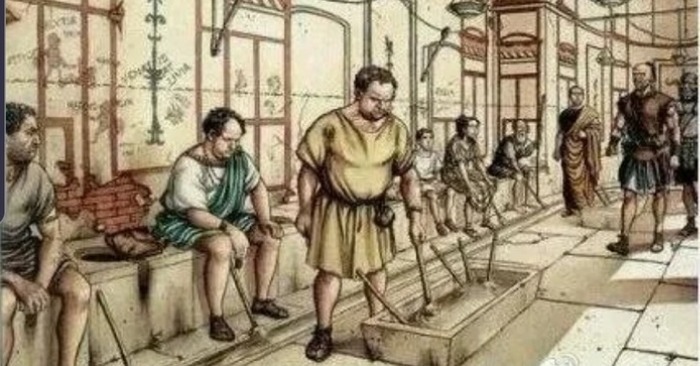
The following facts about the toilets in ancient Rome will blow out your mind! 🤯😱 Back then, public latrines didn’t just serve as restrooms! 🧐🚽 Instead, they were bustling hubs that gathered even the elite of the society! 🧐😮 But what did they do there, what did those places look like and why might this seem horrifying to us, the modern civilization? 🤔 I will tell everything you didn’t know before in this article! 👇
Toilets in ancient Rome were far from private, hygienic spaces. Instead, they served as bustling social hubs where daily life, politics, and even business deals unfolded amid conditions that would horrify most people today.
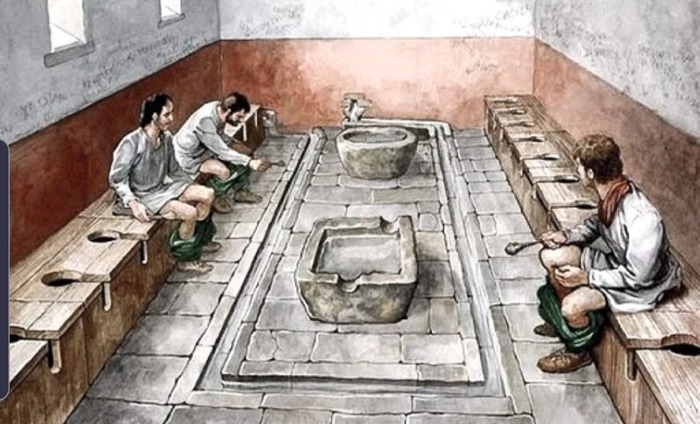
Public latrines were designed with long stone benches featuring evenly spaced openings. There were no dividers between users, so conversations flowed as freely as the water running beneath the seats. A shallow channel beneath the bench carried waste away, thanks to aqueduct-fed water systems.
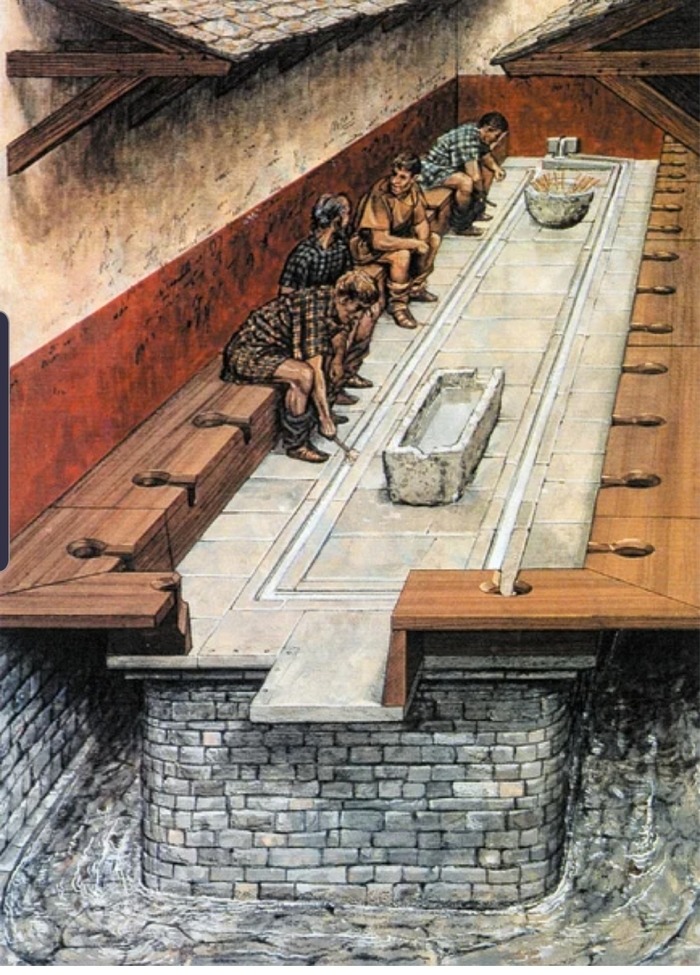
Surprisingly, these restrooms were more than just functional—they were places for networking. Romans gathered here to chat, share gossip, and even form business connections. Wealthier citizens, despite having private toilets at home, often frequented public facilities for the social scene.
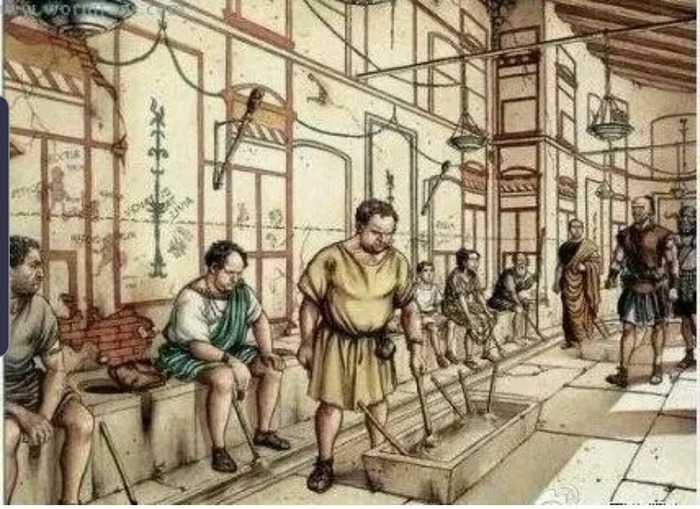
Unlike modern restrooms, Roman latrines were sometimes decorated like grand halls. Ornate frescoes, marble sculptures, and even fresh flowers adorned the space. Some had wooden canopies for shade, creating a surprisingly pleasant atmosphere, despite the unmistakable odor.
The Ephesian Latrines, built nearly 2,000 years ago, were among the first known pay-to-use toilets. Located near the Library of Celsus, they could accommodate 48 men at once—women were not allowed. Visitors paid a small fee, making the facility more common among wealthier citizens.
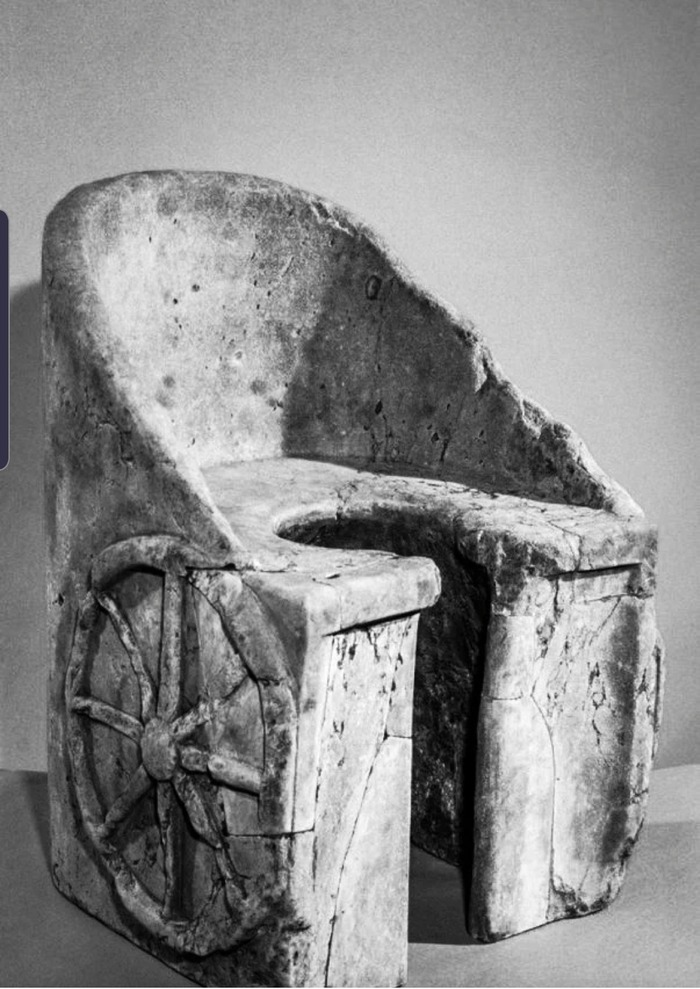
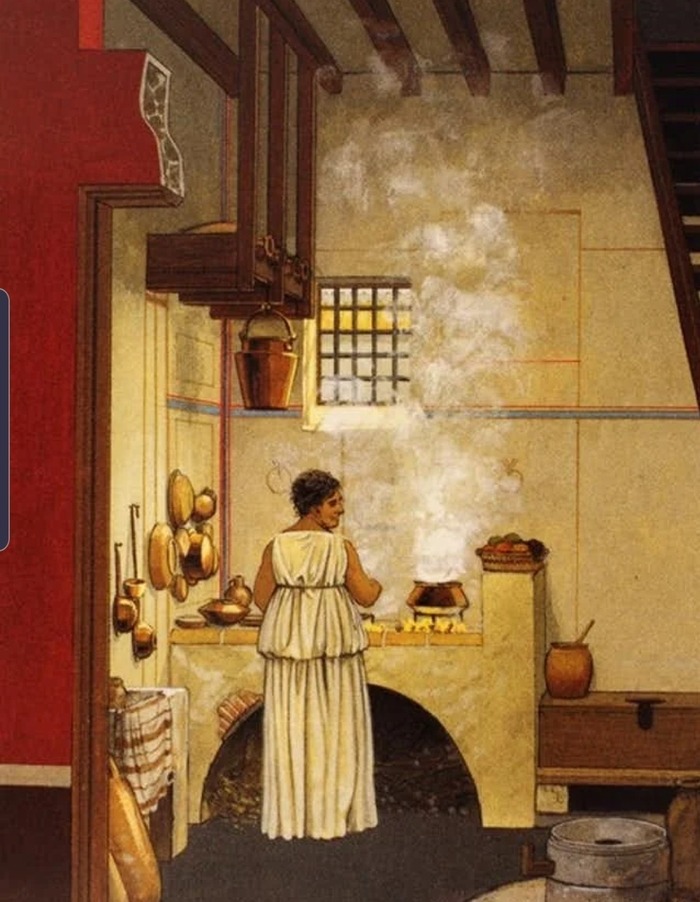
While public toilets were popular, some wealthy Romans had private ones at home. Shockingly, these were often located right in the kitchen. The logic? Strong cooking aromas supposedly masked the less pleasant smells.
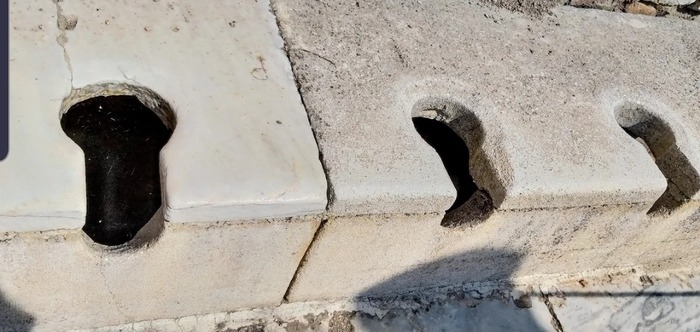
During colder months, slaves were sent to warm the stone seats before their masters arrived. This seemingly minor task came with significant health risks, contributing to the shorter lifespans of many servants.
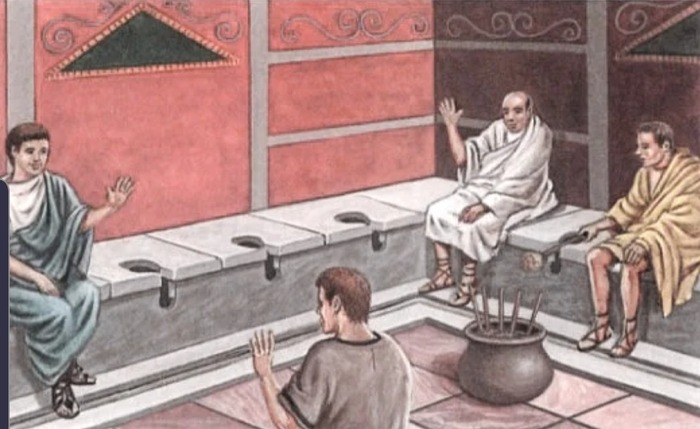
Romans didn’t use toilet paper. Instead, they relied on sponges attached to sticks, known as tersorium. These sponges were stored in buckets filled with saltwater or vinegar for cleaning. A trough with running water at foot level allowed users to rinse both the sponges and themselves.
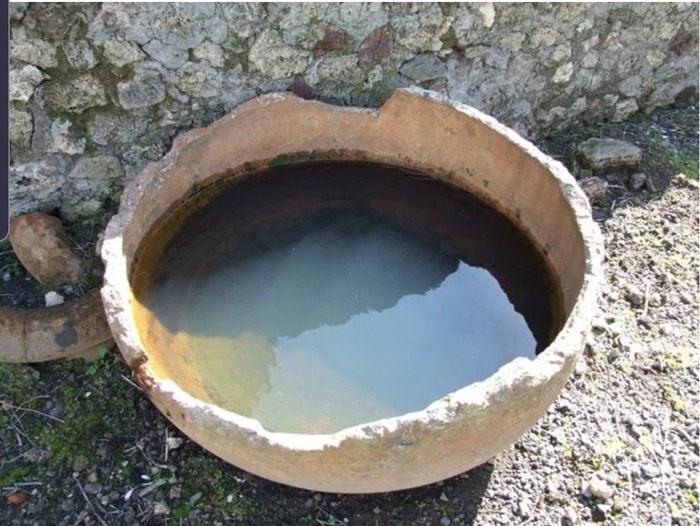
Romans viewed human waste as a resource rather than a nuisance. Amphorae were placed throughout cities for quick relief, and urine collectors gathered the contents to sell to tanneries and laundries. The ammonia in urine was perfect for bleaching fabrics.

Even personal hygiene involved urine. Some Romans rinsed their mouths with aged urine, believing it whitened teeth. Tanners also soaked animal hides in urine to loosen hair before softening the leather with—you guessed it—feces.
While Roman sanitation practices might seem horrifying by today’s standards, their innovative water systems and waste management were surprisingly advanced for the time. It’s a strange reminder that even the most unpleasant aspects of life can be turned into something useful.