Have you ever wondered why people used to sleep in cupboard-like wooden boxes years ago? 🤔🧐 Instead of sprawling out on traditional beds with soft mattresses, they used to spend freezing winter nights this way and never complained! 😮🛏️❌ What was special about these wooden boxes and where did this tradition come from? 🧐🤫 I will explain everything in this article! 👇
Picture this: a freezing winter night, a dimly lit cottage where an entire family—parents, children, and even servants—are all gathered in one room. But instead of sprawling out on traditional beds, they climb into… cupboards.
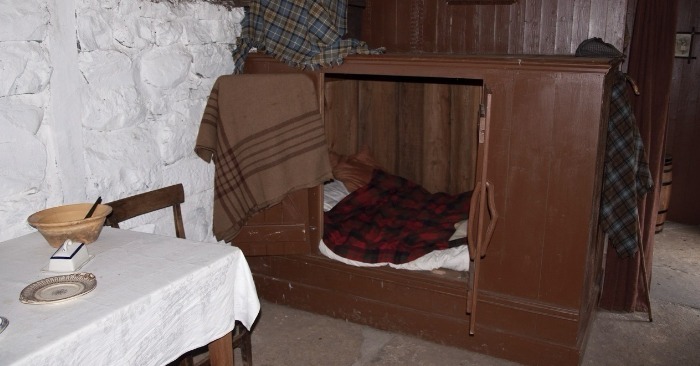
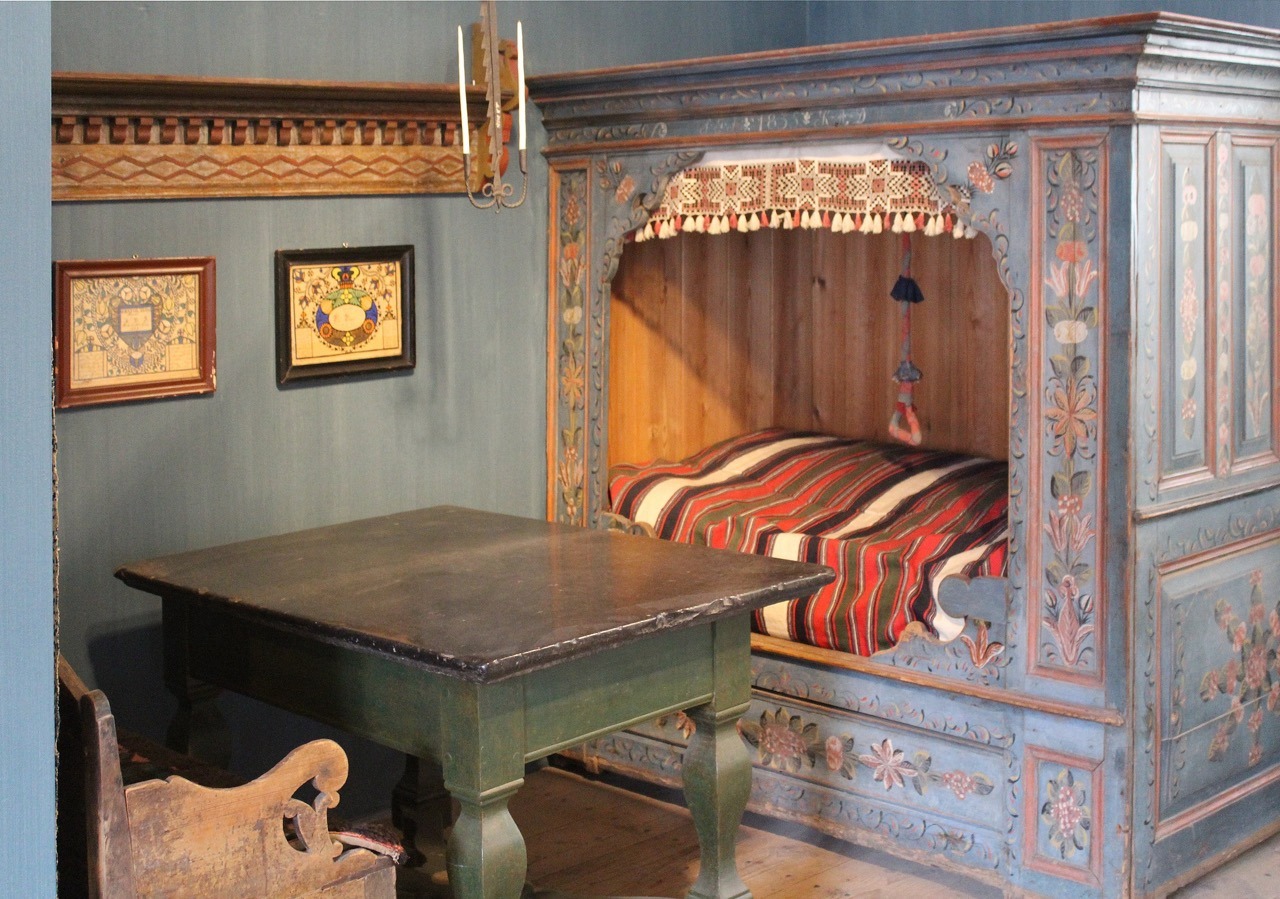
Yes, you read that right. In the past, people didn’t just use wardrobes for storing clothes—they actually slept inside them. Known as cabinet beds, chest beds, or box beds, these enclosed sleeping spaces weren’t an unusual novelty but a practical necessity in everyday life.
But why did people prefer sleeping inside what was essentially a wooden box? What made these unusual beds so popular, and why did they eventually vanish? Let’s step back in time and uncover the reasons behind this curious tradition.
Why Sleep in a Wooden Box?
Though it may seem bizarre today, sleeping in a cupboard-like bed had several advantages for people of the past:
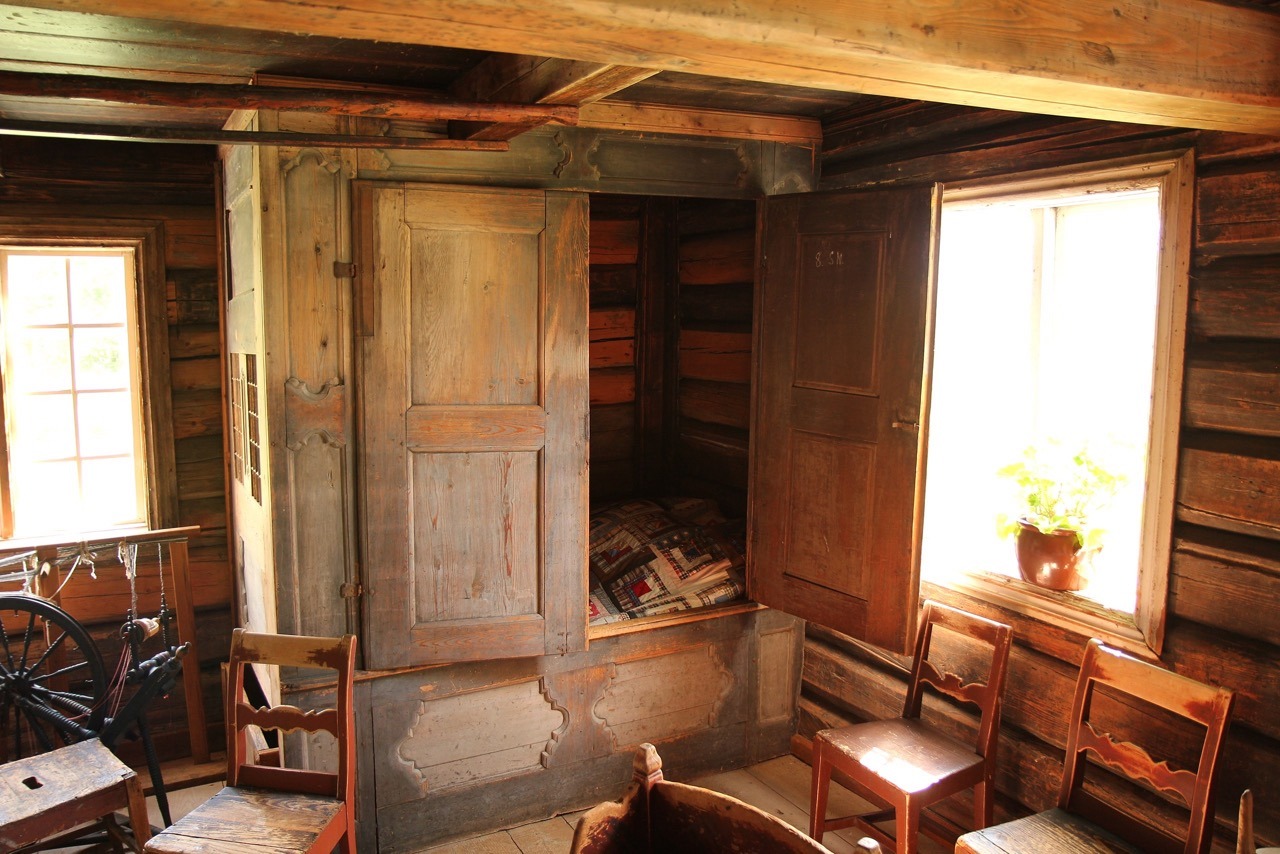
1. Maximizing Space
Homes were small, but families were large. A box bed took up far less space than a traditional bed and often had built-in storage underneath. Many even had a retractable step to climb inside. Some could be folded away or disguised as furniture during the day, making them ideal for cramped living spaces.
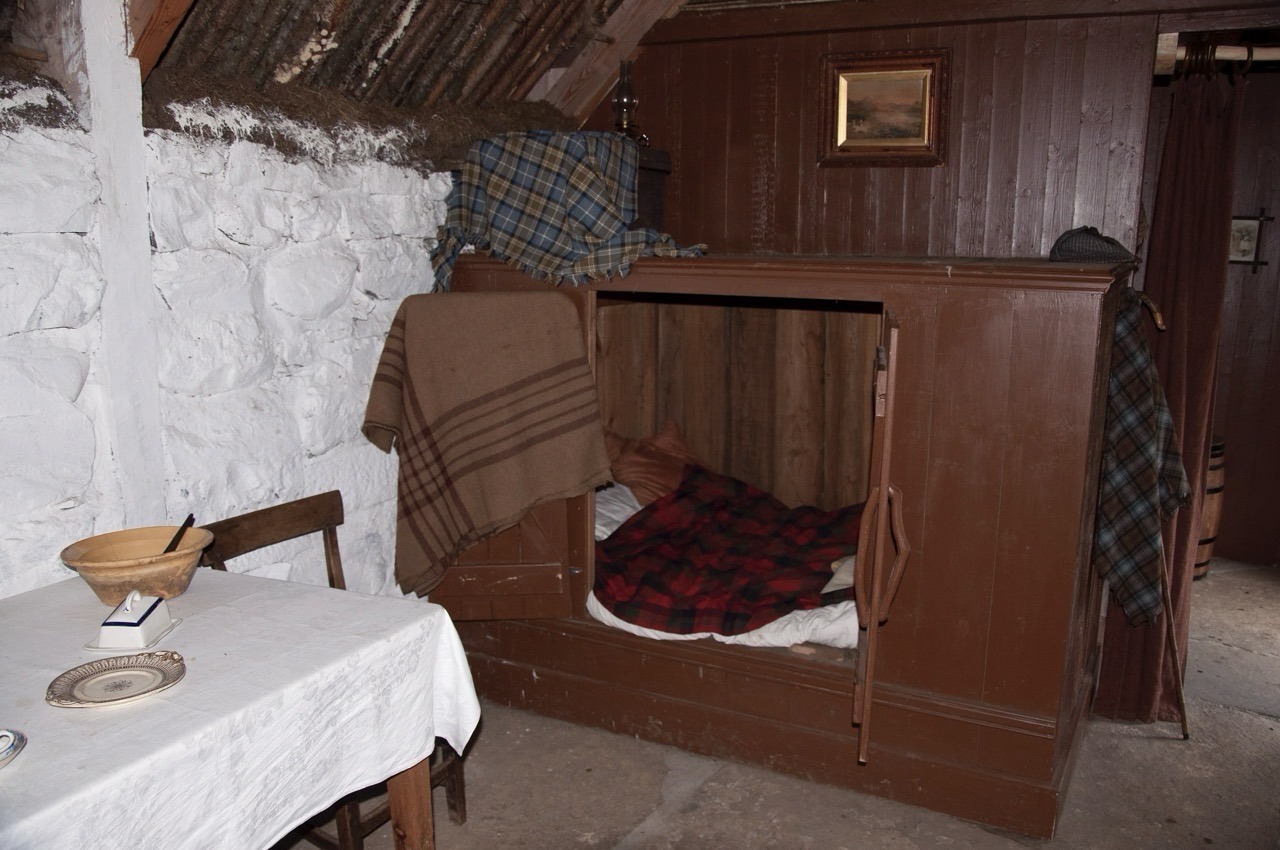
2. Keeping Warm
In medieval Europe, homes lacked central heating, and winters could be brutally cold. The enclosed structure of a box bed trapped body heat, creating a cozy, insulated sleeping area that protected people from icy drafts.
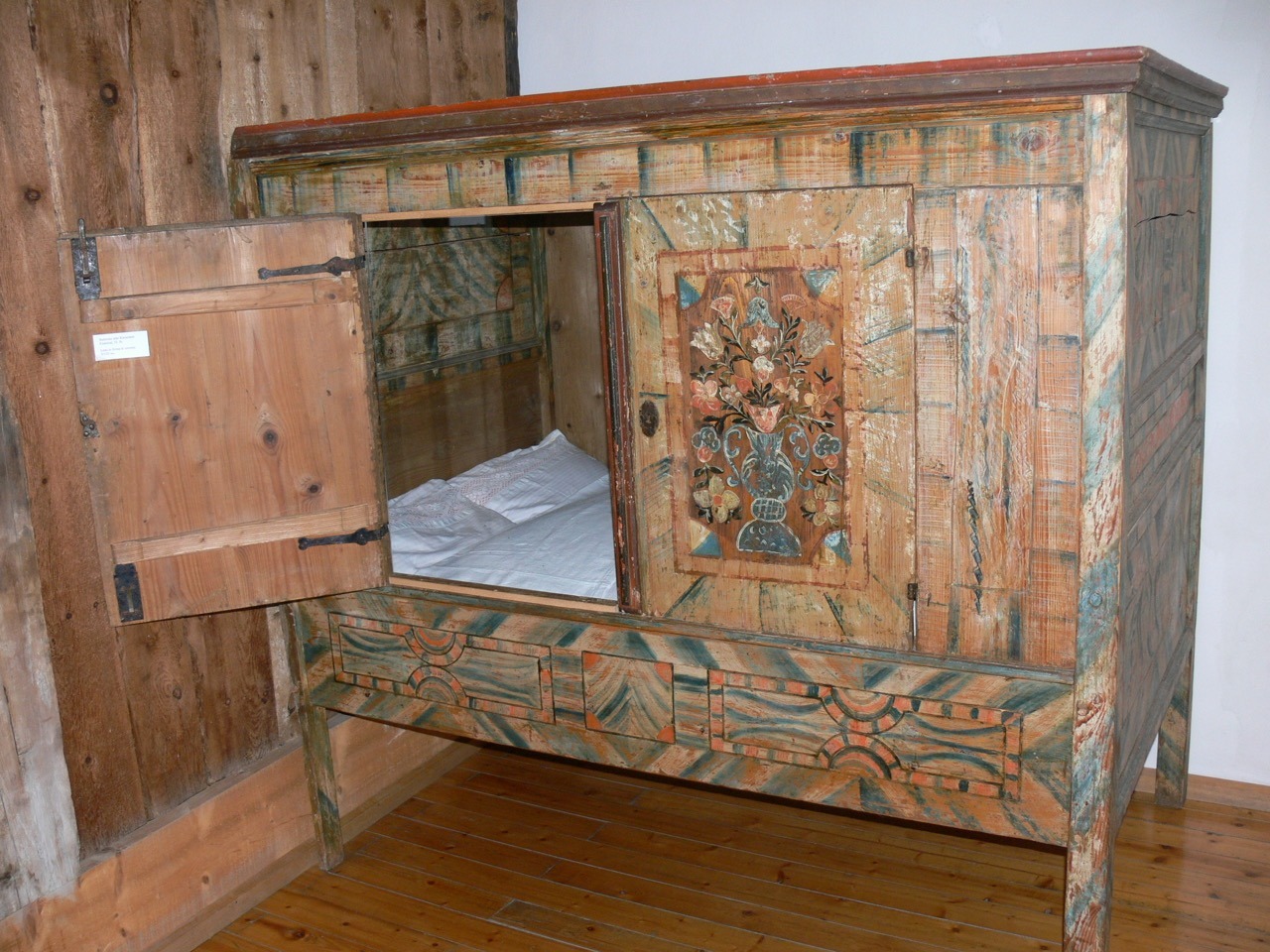
3. Providing a Sense of Security
Sleeping in a confined, enclosed space offered protection not just from the cold, but also from noise, pests, and even potential intruders. The wooden structure shielded sleepers from disturbances in a busy household.
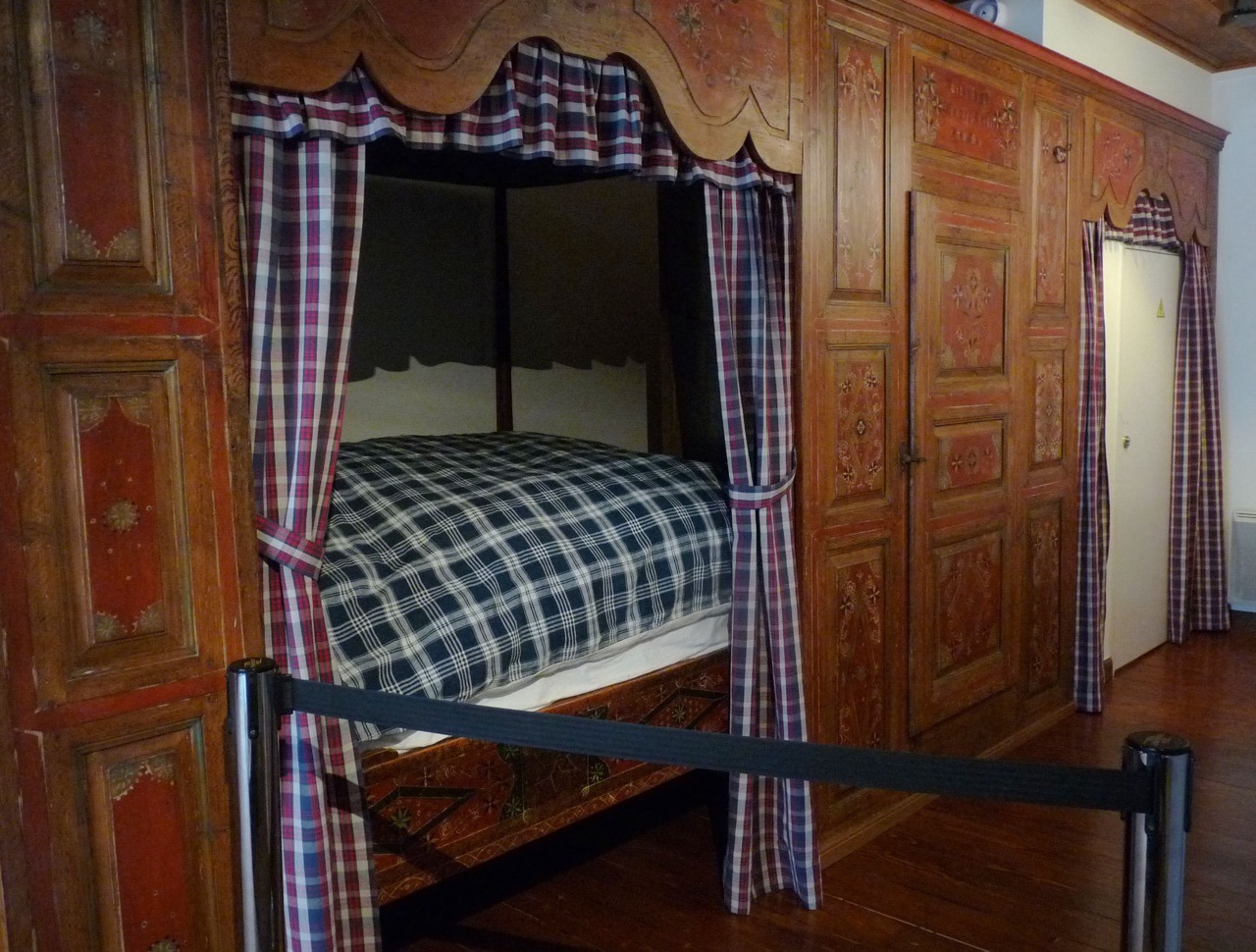
4. Ensuring Privacy in Crowded Homes
Personal space was a luxury in homes where multiple generations lived under one roof. A cabinet bed functioned as a tiny, makeshift bedroom, offering some degree of privacy—especially in shared spaces.
5. A Cost-Effective Alternative
Box beds were often cheaper than traditional beds and could accommodate multiple sleepers. While they were a practical solution for poor families, even wealthier households used them, particularly for servants or farmhands. Some were large enough to fit up to five or six people at once.
Why Did Cabinet Beds Disappear?
Despite their many benefits, cabinet beds had major downsides that led to their decline by the early 1900s: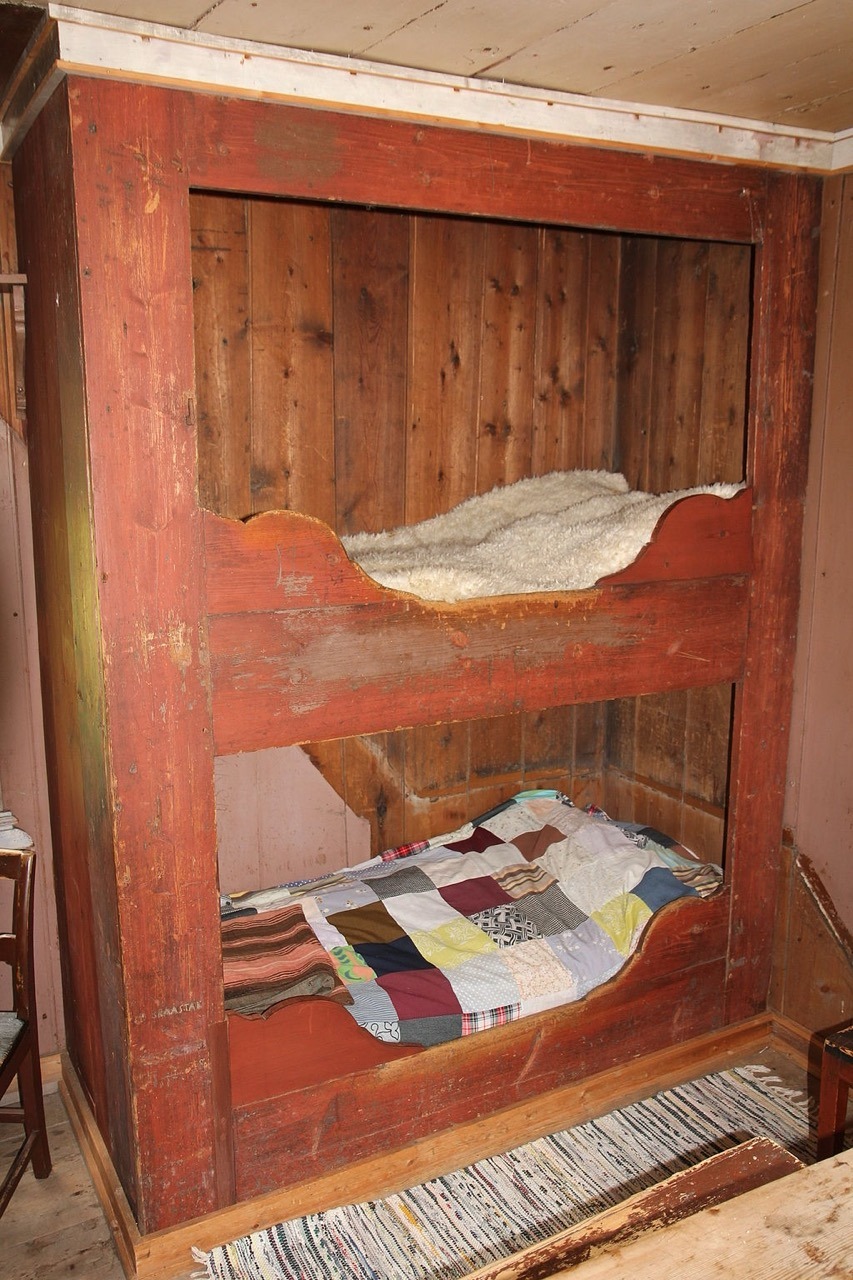
Cramped and Poorly Ventilated – Sleeping in an enclosed wooden box with little airflow led to poor hygiene. Dust, dirt, and pests could accumulate inside, making them uncomfortable and even unhealthy.
Risk of Suffocation – With multiple people squeezed inside and no proper ventilation, oxygen levels could drop, making it difficult to breathe.
A Symbol of Poverty – As housing conditions improved and modern beds became more affordable, cabinet beds were increasingly seen as outdated and associated with rural poverty.
A Relic of the Past
Today, box beds are mostly museum exhibits—fascinating reminders of how people adapted to the challenges of their time. Though they’re no longer part of daily life, their legacy speaks to human ingenuity and the lengths our ancestors went to for warmth, security, and space in their homes.
Would you ever try sleeping in a cabinet bed? Let us know what you think!