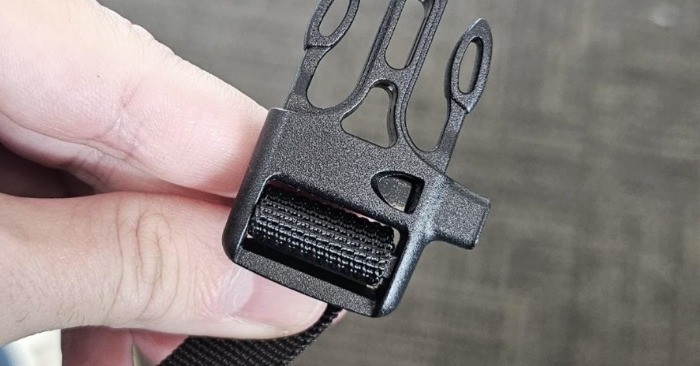
If you owned a backpack in the 1990s or early 2000s, there’s a good chance you carried around a safety tool without ever realizing it.
Many backpacks from that era featured a small buckle attached to the chest strap. Most people assumed it was just another piece of plastic hardware designed to keep the straps secure. But hidden inside one half of the buckle was a surprisingly clever feature — a built-in emergency whistle.
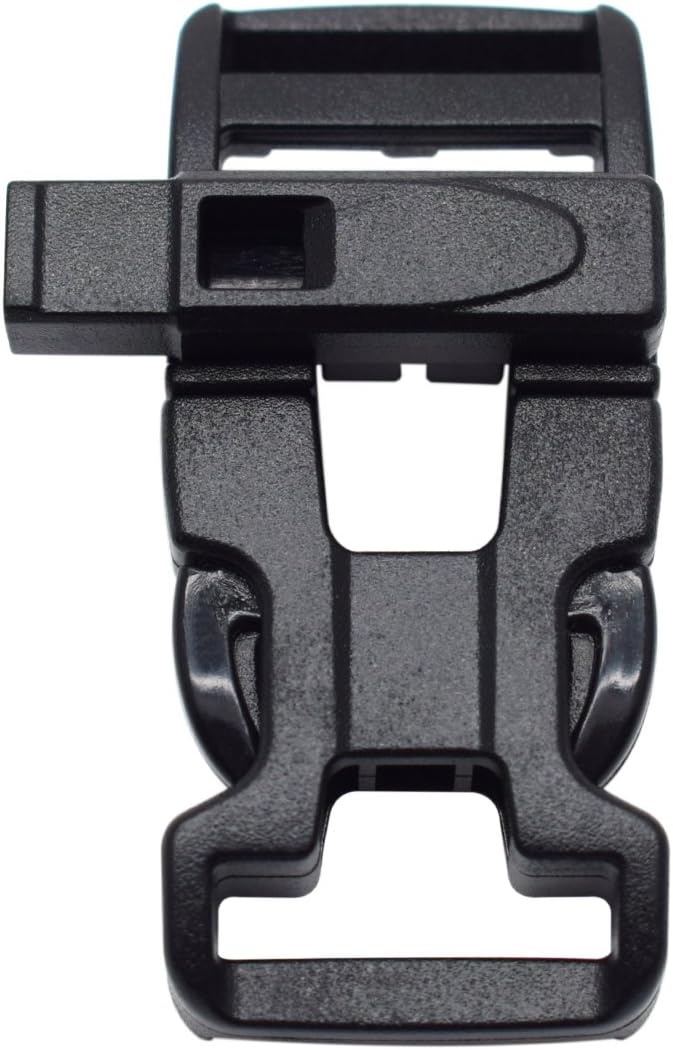
At first glance, the whistle buckle looks almost identical to a standard backpack clasp. The only clue is a small rectangular opening molded into one side. Blow through it, however, and it produces a loud, piercing sound that can carry much farther than a person’s voice, especially in forests, mountains, or other outdoor environments.
The idea behind the design was simple. As hiking, camping, and outdoor adventures became increasingly popular during the late twentieth century, manufacturers began looking for ways to add safety features without increasing weight or complexity. The whistle buckle offered a practical solution. It required no batteries, took up no extra space, and was always within reach when needed.
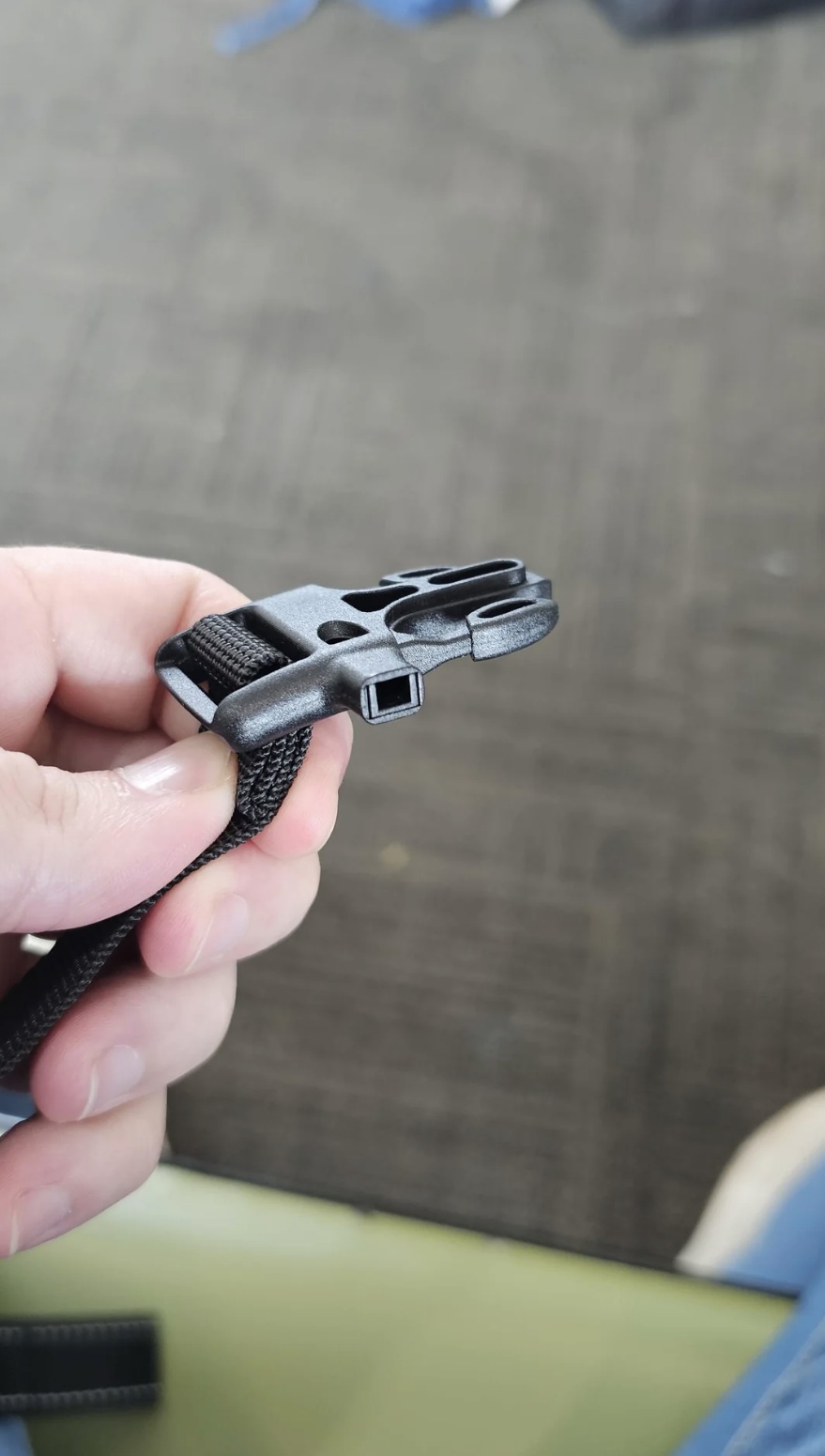
The feature quickly became common on hiking backpacks, school bags, camping gear, and travel packs. Parents appreciated the added layer of safety, while many children discovered the whistle by accident and often used it for far less serious purposes. For countless kids, the hidden whistle became a source of endless amusement during school trips and outdoor adventures.
Despite its simplicity, the whistle proved genuinely useful. Outdoor enthusiasts often relied on it to communicate with group members on wooded trails where visibility was limited. Camp leaders taught children how to use it during safety briefings, and there have even been documented cases of lost hikers using whistle buckles to attract rescuers and ultimately find their way back to safety.
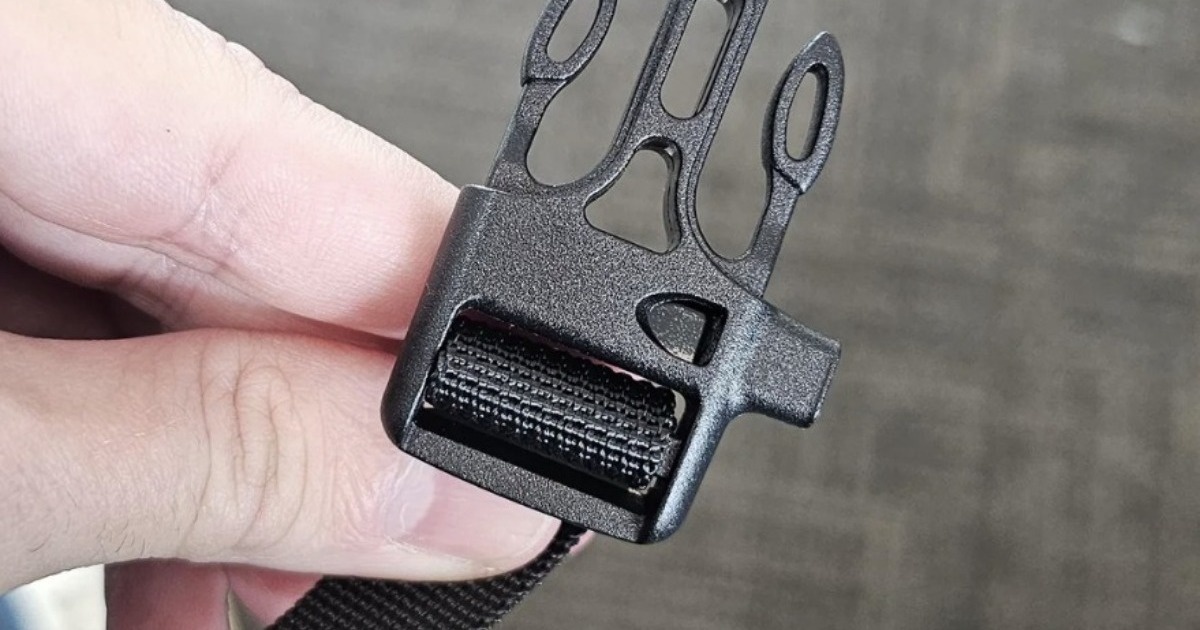
As technology evolved, the popularity of whistle buckles began to fade. GPS devices, smartphones, and modern navigation tools reduced the need for simple emergency signaling methods. Many urban-focused backpack designs also abandoned the feature in favor of sleeker, more minimalist styles. Still, numerous outdoor brands continue to include whistle buckles on hiking and survival gear because of their reliability and effectiveness.
Today, if you pick up an older backpack and notice a small opening in the chest buckle, try taking a closer look. You may be holding a forgotten safety feature that once helped countless adventurers stay connected and, in some cases, even saved lives.