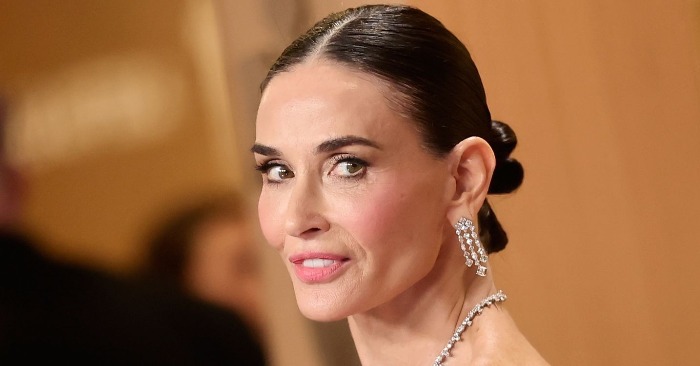
No one expected this. Demi Moore has spent decades with one unmistakable signature: ultra-long, jet-black hair that became part of her identity back in the Striptease era. It was polished. Predictable. Iconic. And almost untouchable.
Until Milan.
On February 27, at the Gucci show, Moore stepped in front of photographers and quietly dismantled the image the world had memorized. The outfit was already sharp — a structured black leather jacket molded to her frame, flared trousers that opened slightly from the knee, and pointed stilettos that elongated the silhouette. Oversized dark sunglasses and a minimalist handbag sealed the mood. Sleek. Controlled. Slightly dangerous.
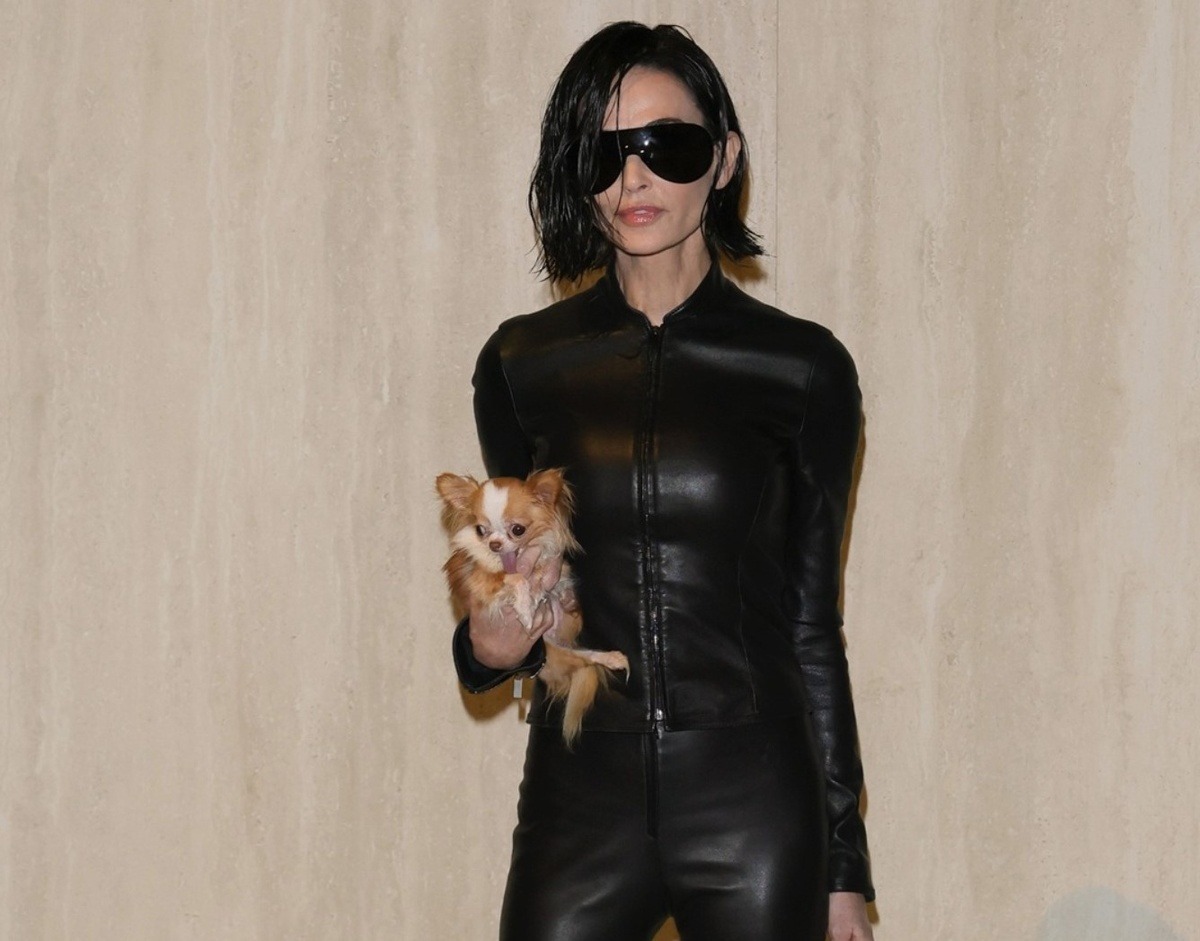
But it was the hair that changed everything. Gone were the waist-length strands. In their place: a sharp, modern bob grazing her shoulders, styled with a wet-look finish that felt almost futuristic. Clean lines. No softness. No nostalgia. Just precision.
The internet reacted instantly. Some didn’t recognize her at first glance. Others began debating whether she should have abandoned the look that defined her for decades. Comparisons to Trinity from The Matrix flooded comment sections. And then came the dominant sentiment: at 63, she looks electrifying.
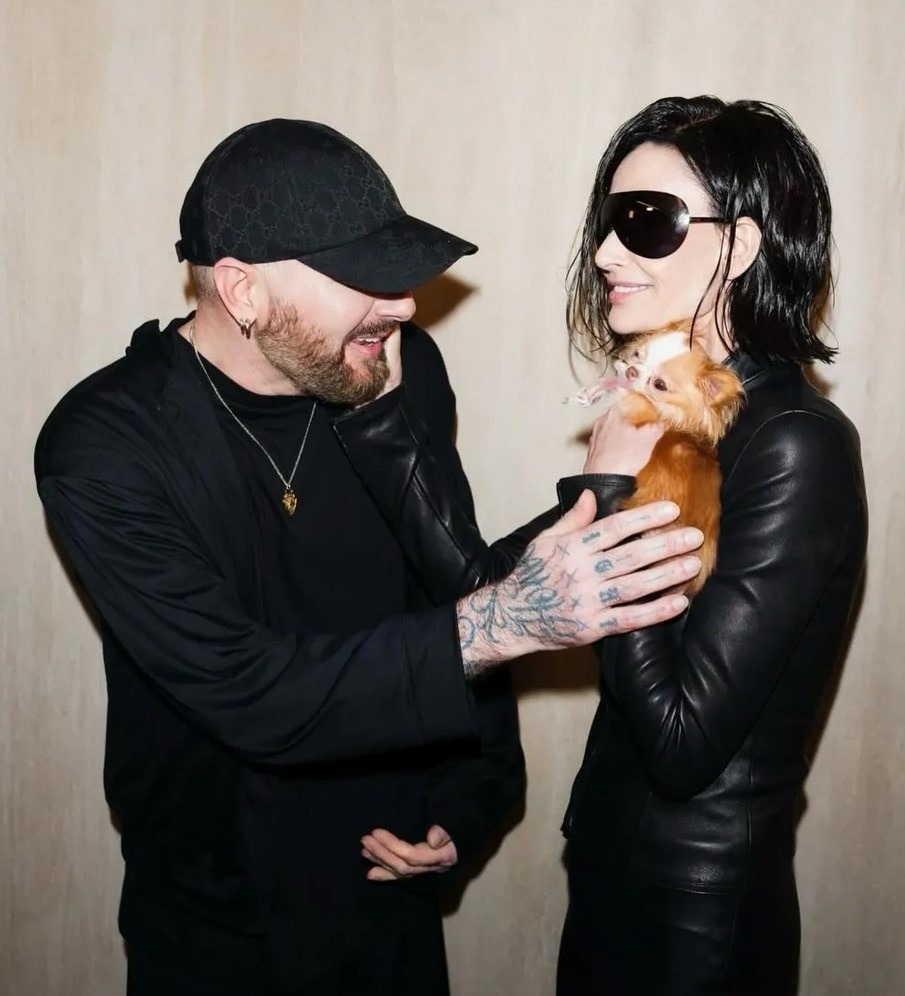
The shorter cut lifted her features. The minimal styling sharpened her presence. Instead of clinging to a ’90s legacy, Moore appeared to step straight into a new era — one that felt current without chasing youth.
That’s the part people kept circling back to.
This wasn’t a desperate reinvention. It was controlled evolution.
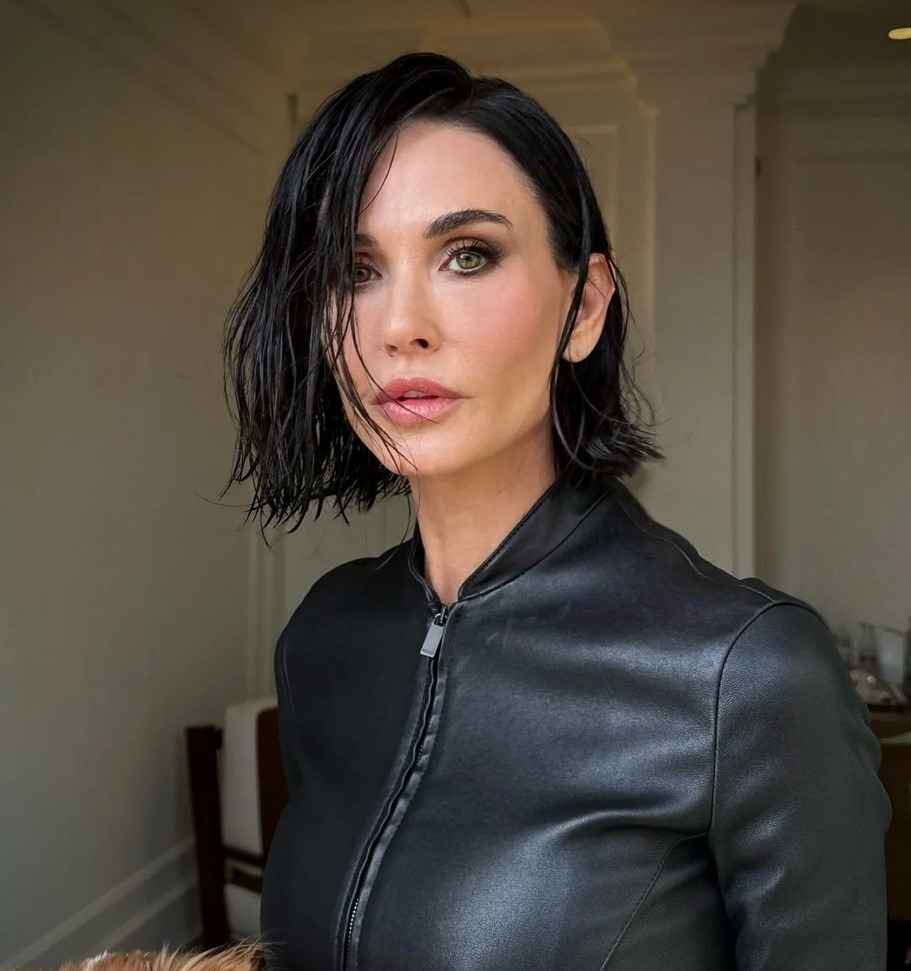
In an industry where major stars rarely gamble with their visual identity, Moore did exactly that — and walked away with everyone talking about her, not just the collection she attended.
She didn’t make a speech. She didn’t explain.
She showed up, changed the rules, and let the silence between camera flashes do the rest.