Old homes have a way of keeping secrets.
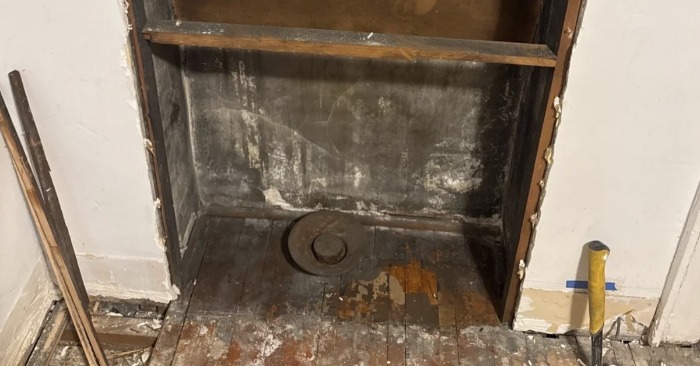
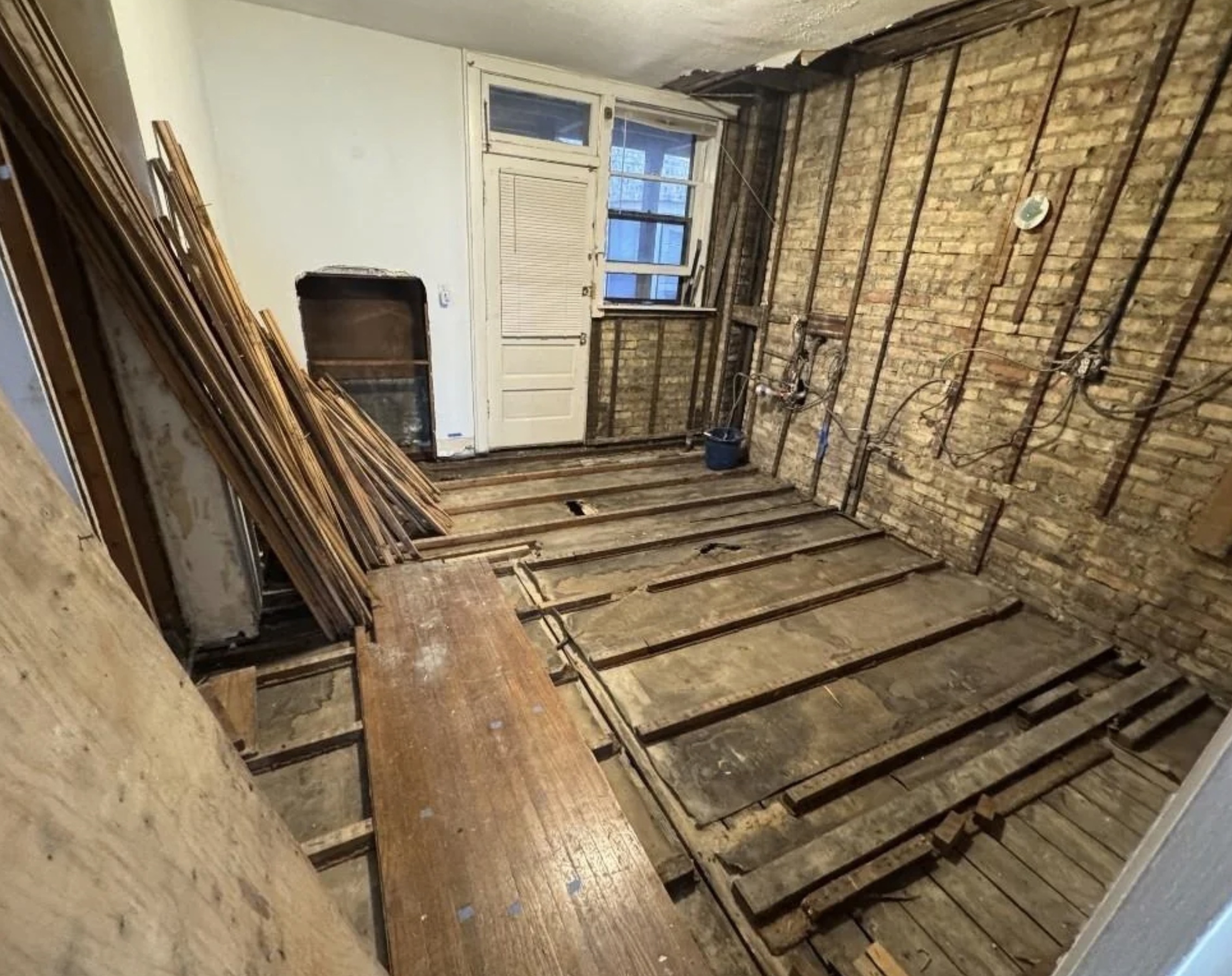
What started as a routine kitchen renovation in a historic Chicago house quickly turned into an unexpected journey into the past. After opening a wall that was expected to reveal little more than old paint, dust and outdated construction materials, workers uncovered something far more interesting — a metal-lined compartment hidden inside the wall itself.
At first glance, the structure looked worn and easy to overlook. But after examining its size, shape and location, the answer became clear. It was the remains of a built-in icebox, a feature once common in Chicago homes long before electric refrigerators became standard household appliances.
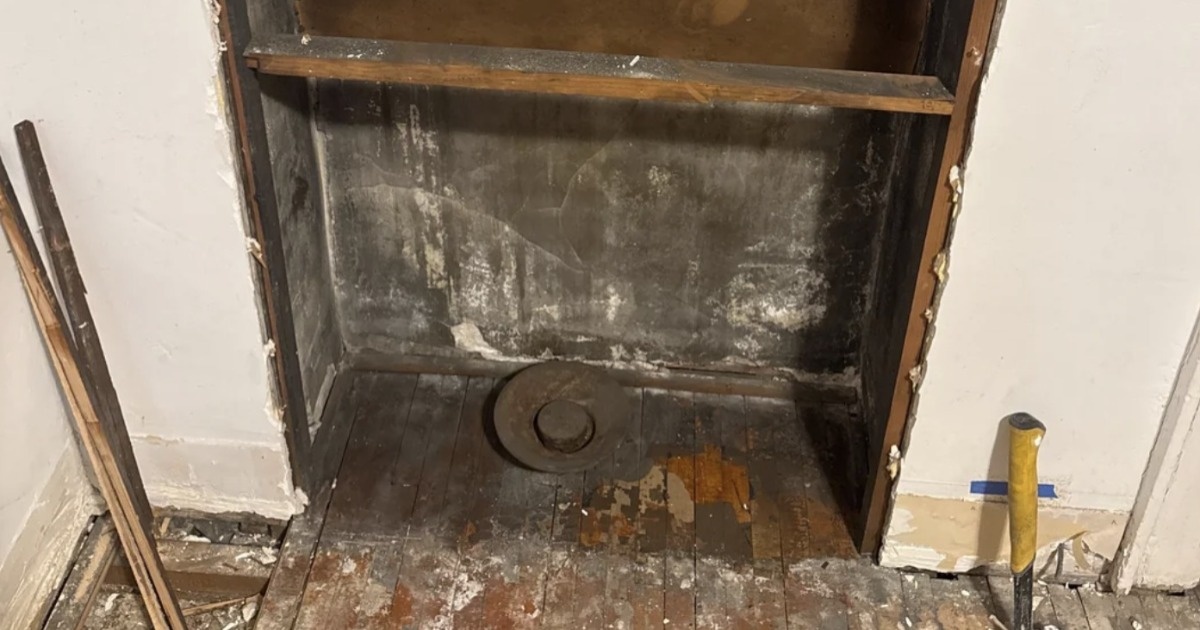
Its position provided one of the biggest clues. The compartment was located near the back porch, exactly where ice delivery workers would have accessed it decades ago. Large blocks of ice could be placed into the unit through an exterior door without requiring deliverymen to enter the house. For families at the time, it was a practical and efficient system.
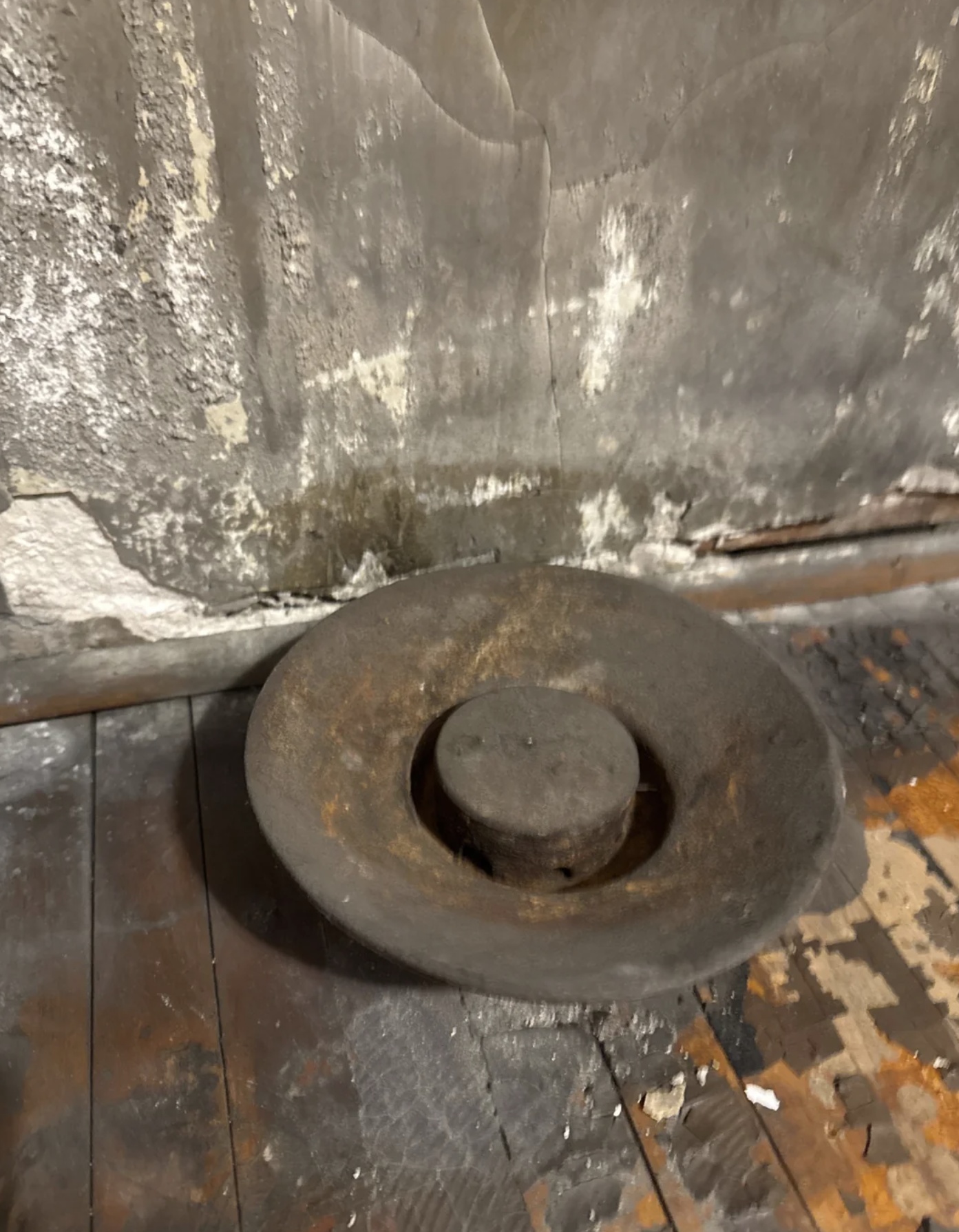
The metal lining was another giveaway. Built-in iceboxes had to withstand moisture, freezing temperatures and constant drainage from melting ice. Unlike ordinary wall cavities, these compartments were specially designed to handle water and preserve food. Ice was stored in the upper section while food occupied the lower compartment. As the ice melted, cold air naturally circulated downward, helping keep milk, butter and other perishables fresh.
Discoveries like this offer a fascinating glimpse into everyday life before modern conveniences transformed the home. It’s easy to imagine an ice delivery arriving early in the morning, a family carefully organizing food around the remaining block of ice and household routines revolving around a system that today seems almost unimaginable.
What makes the find especially remarkable is its simplicity. The built-in icebox was never designed to impress anyone. It existed purely to solve a problem. Yet decades later, its clever design and practical engineering continue to capture people’s imagination. Hidden behind a wall for generations, it remained a quiet reminder of how previous generations adapted to daily life long before refrigerators, freezers and modern kitchen technology became part of every home.