There was a time when Nelly Furtado embodied lightness itself. Early-2000s pop had her floating through charts with an easy confidence, fragile in appearance but sharp in attitude, dressed like someone who knew exactly how much space she was allowed to take — and how to bend that rule just enough.
Then, in 2017, she vanished. No slow fade, no farewell tour. Just silence. When she finally reappeared, the reaction was instant and uneasy. Furtado had gained significant weight, and her new figure became the first thing people noticed — and talked about. The shift wasn’t cosmetic. It followed a painful breakup with Demacio Castellon, a personal rupture that marked one of the hardest periods of her life.
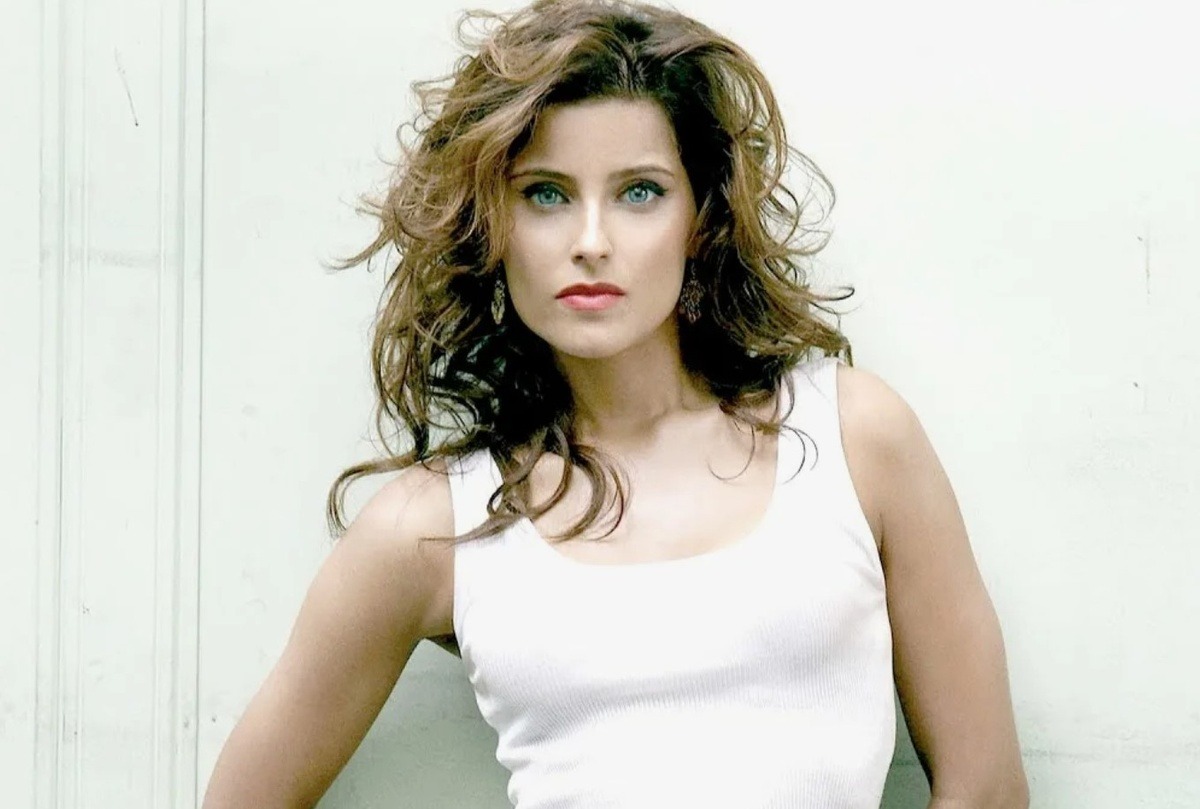
It’s hard not to feel a very human sting looking back. For many longtime fans, the loss wasn’t just about appearance — it was about the disappearance of a familiar image tied to youth, freedom, and a specific era. Watching an idol change so visibly under pressure can feel like watching time win a round.
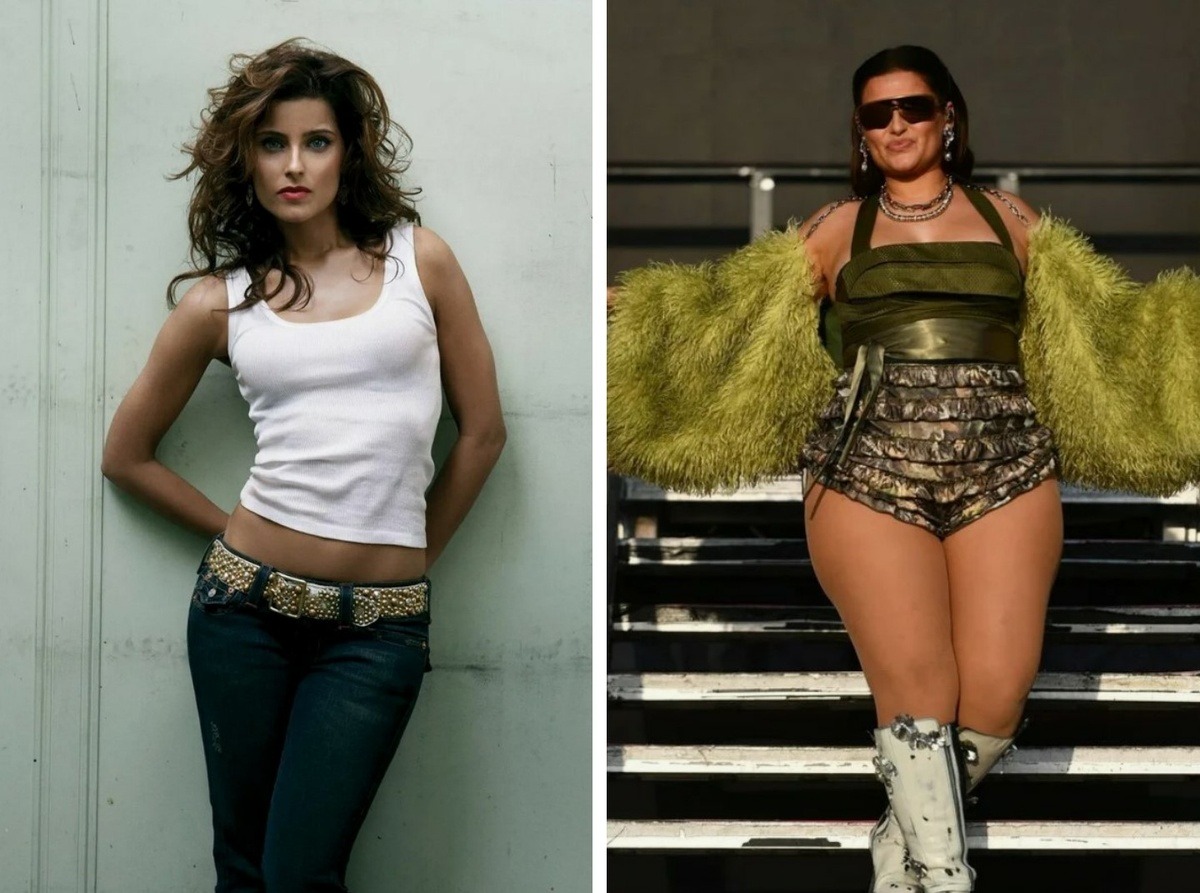
But Furtado didn’t stay hidden. She returned to music, recorded a new album, and stepped back under the lights — not cautiously, not wrapped in layers meant to erase her body. Quite the opposite. Her stage looks were bold, open, and unfiltered. No camouflage. No apologies. No quiet request for approval.
That choice matters. She didn’t frame her return as redemption or recovery. She didn’t sell a transformation narrative. She simply showed up as she was, wearing clothes that acknowledged her body instead of fighting it, moving with a confidence that comes after survival, not before it.
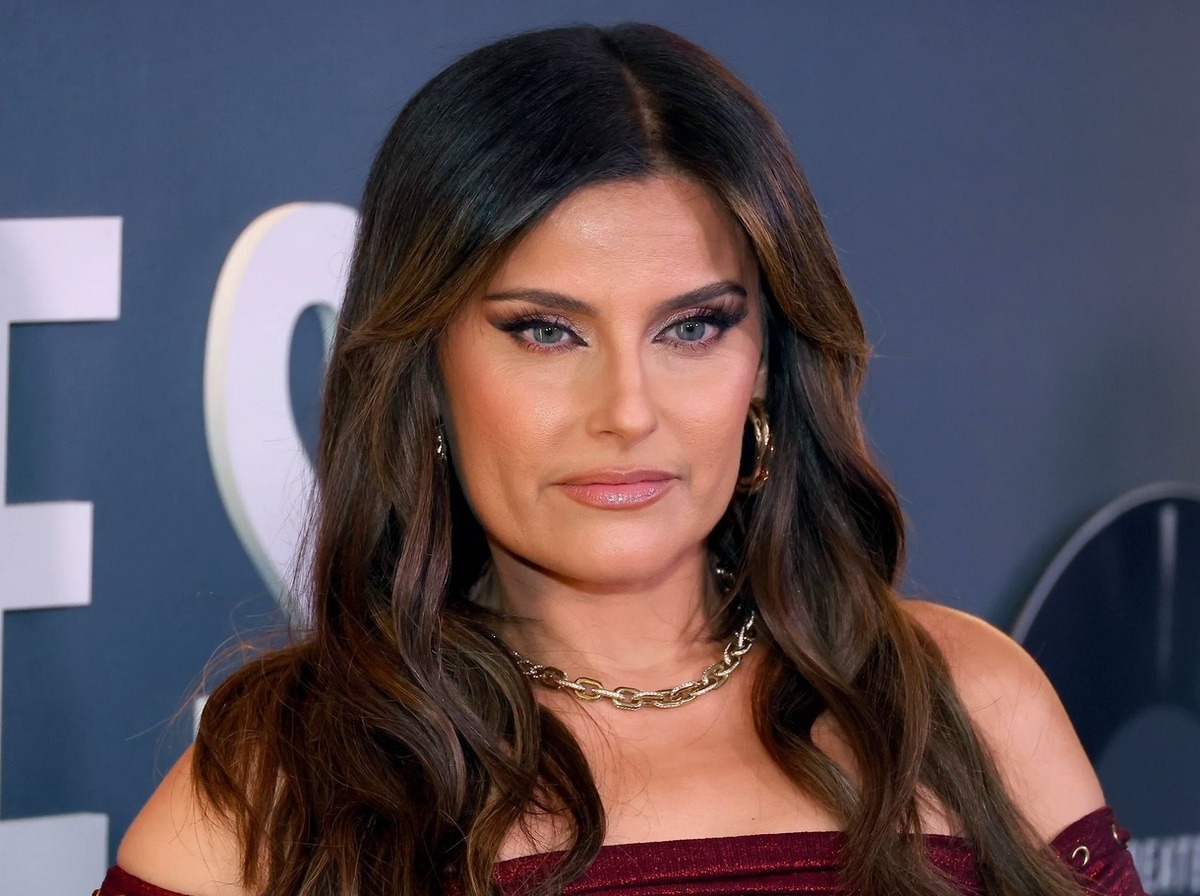
Today, Nelly Furtado looks like someone who’s already weathered the storm. There’s a steadiness to her presence now, a sense of release. Not rebellion — resolution. She no longer adjusts herself to fit expectations shaped decades ago. She sounds like herself. She looks comfortable. And that, perhaps, is the most radical change of all.